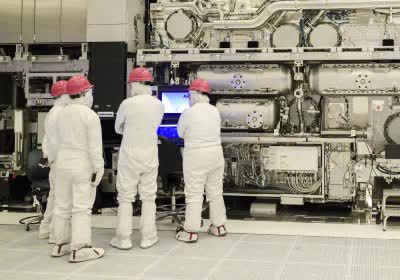
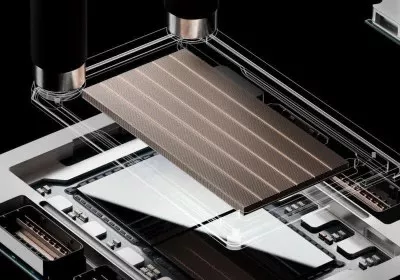
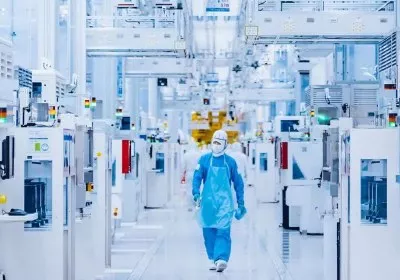
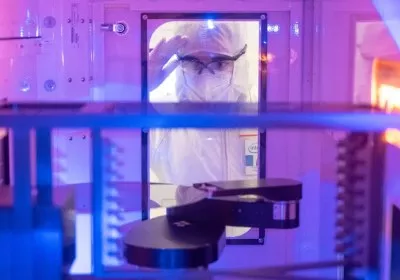
ASML is betting bigger EUV mirrors and stacked transistors will keep chips advancing
Crystal ball: ASML is the only company that makes the EUV lithography machines needed to produce the world's most advanced chips. Its CEO, Christophe Fouquet, says the AI boom will play out over 10 to 15 years and that we're only seeing the tip of the iceberg. Meeting that demand will depend on better optics, vertical chip designs and a sprawling supplier network that can't be scaled up quickly. That makes ASML's roadmap a useful gauge of how far AI hardware can go, and how fast.
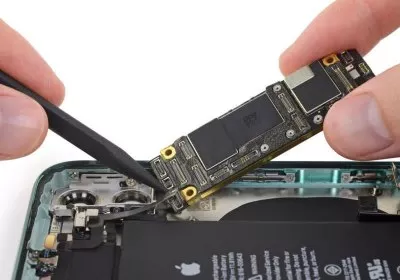
TSMC is sitting on $1 billion worth of finished iPhone chips with nowhere to go
Ripple effect: In the run-up to the launch of the foldable iPhone Ultra, iPhone 18, and iPhone 18 Pro, Apple and its assemblers are working to secure enough mobile DRAM. Apple leans heavily on Micron for these chips and also buys from SK Hynix and Samsung. People involved say they still expect to meet initial demand, but they worry online wait times could stretch and store inventory could run out quickly if the shortage continues.
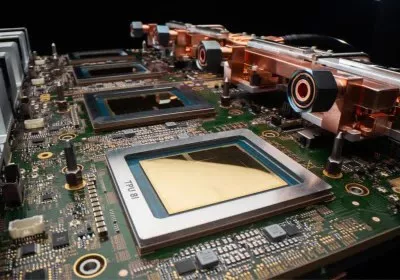
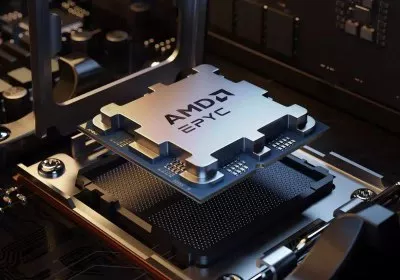
It also provides a glimpse of the architecture that will power future Ryzen chips
First look: AMD will give its first public look at Epyc Venice CPUs this month, showcasing the new Zen 6 architecture at the Advancing AI 2026 summit in San Francisco on July 22. The demonstration will highlight performance for AI workloads, with AMD claiming a major speed increase over current Epyc chips.