The first major Windows event in over two years could center on local AI computing
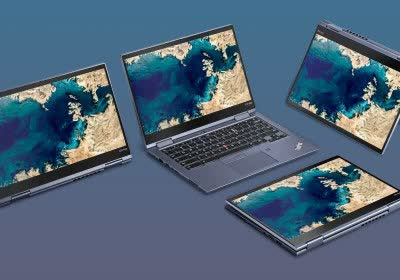
Forward-looking: Microsoft will use an event in San Francisco next month to lay out its next moves in Windows and Surface, with local AI computing expected to take center stage. The October 7 presentation marks Microsoft's first major Windows-focused event in more than two years – its last one came in May 2024, when the company unveiled Copilot+ PCs and laid out a strategy built around AI-ready hardware.
Bottom line: PC makers are selling more expensive machines into a market with fewer available units, as tight memory supplies reshape product mix, pricing, and demand for AI-capable systems. That shift is helping manufacturers preserve – and in some cases expand – revenue even as global shipments decline, but it is also pushing the industry further away from the low-cost devices that once drove volume growth.
In a nutshell: The ongoing AI boom has already inflated the cost of memory, storage, and processors, with effects spilling over to electronics incorporating those components. The impact of AI data center expansion is not expected to subside anytime soon, and to make matters worse, the conflict between the US and Iran threatens to worsen supply chain disruptions while creating new ones.
Through the looking glass: Apple turned 50 this week as a multi-trillion-dollar platform company built around the iPhone, the most successful product ever made, along with laptops, tablets, smartwatches, audio gear, and a multitude of digital services. But it all began as a bare circuit board passed around a hobbyist club in Silicon Valley.
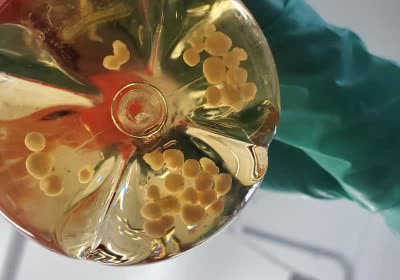
Biocomputing has left the realm of science fiction and entered the laboratory
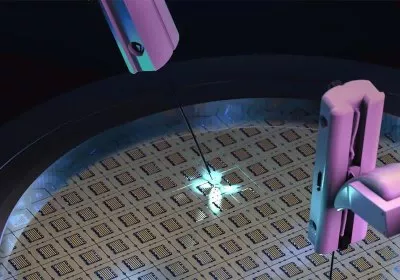
Looking ahead: Swiss researchers are exploring the frontier of computing by creating processors from living cells, a field known as biocomputing. Their work, though inspired by concepts often seen in science fiction, relies on precise laboratory techniques and targets practical, real-world applications.
The exemptions cover $390 billion in yearly US imports
Why it matters: The Trump administration has granted a reprieve to global technology manufacturers by exempting smartphones, laptops, CPUs, memory chips, and electronics to make semiconductors from its sweeping tariffs on imports – a move that could ease pressure on companies like Apple and Nvidia while offering relief to consumers.
In a nutshell: Back in 2021, a team from the Massachusetts Institute of Technology made waves by creating an entirely new type of ferroelectric material. Now, those same researchers have one-upped themselves by using that substance to build a transistor that utterly smokes the conventional chips powering today's gadgets – with nanosecond switching speeds and incredible durability.