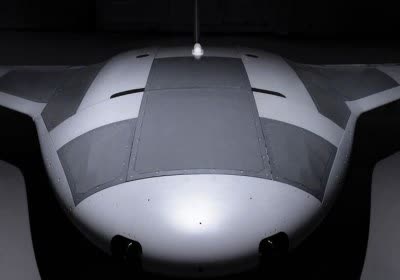
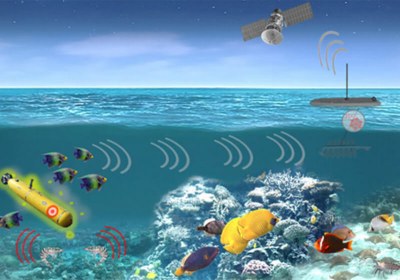
DARPA's Manta Ray drone for underwater military operations aces initial tests
Science imitates art with Northrop Grumman's prototype
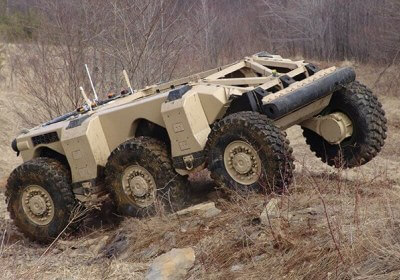
DARPA unleashes 20-foot autonomous robo-tank with glowing green eyes
It rolls through rough terrain like it's asphalt
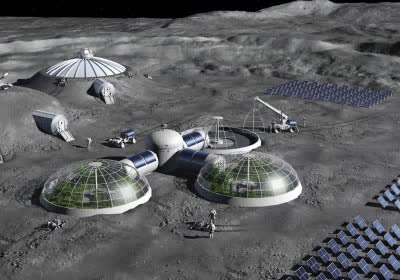
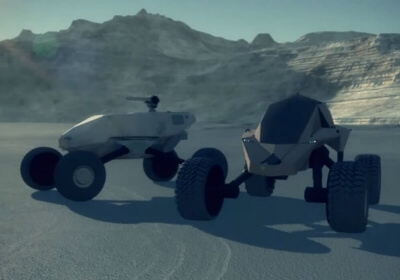
DARPA and Northrop Grumman are exploring the concept of a lunar train and railroad system
A train to transport humans and supplies while boosting the Moon's economic prospects
DARPA's LunA-10 project plans to create a common framework for a lunar economy
The Pentagon is trying to kickstart a new ARPANET revolution on the Moon
DARPA is hosting a Black Hat contest to create cyber-security AI models
A call to action for machine learning experts to secure code with AI
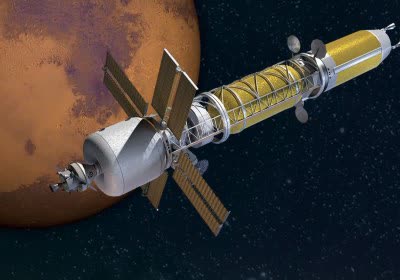
NASA wants to test a nuclear-powered spacecraft within five years
For shorter and safer journeys to Mars, we need to go nuclear
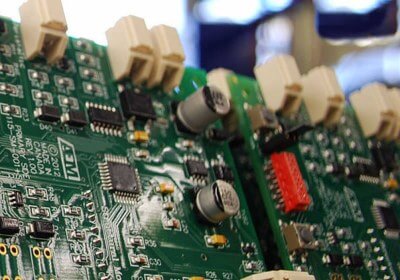
DARPA taps Intel and Georgia Tech to pioneer a machine learning 'immune system'
GARD program looks to guard ML systems against adversarial deception attacks
Are 'chiplets' the answer to extending Moore's Law?
AMD, Intel, and the Pentagon are heavily investing in this new process
Pentagon will pay $2 billion for AI infused weapons
Do we really want a computer behind the trigger?
Northrop Grumman and DARPA set the standard for a 100 gigabit wireless link
Data sharing and collection galore
The Defense Department has produced the first tools for catching deepfakes
The last thing the government wants is to be fake
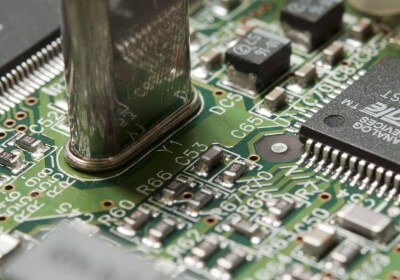
DARPA aims to take on electronics in the post-Moore's Law era
Not even DARPA can go smaller than a single atom computer
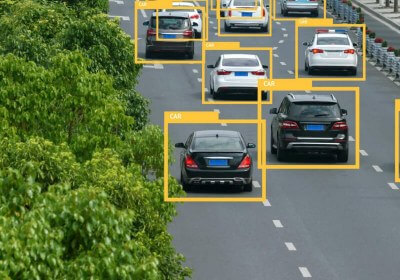
DARPA has autonomous driving technology that makes Uber's look stupid
Amazing work can be done when you don't have to worry about silly things like traffic laws
The US military might use marine organisms to detect ocean-bound threats
Traditional radar technology could be a thing of the past
Optogenetics: A Virtual Reality System for Controlling Living Cells
Our brains communicate with electrical and chemical signaling, but scientists have discovered that light stimulation could hold potential keys to manipulating neuronal communication pathways that influence motor control, sensory perception, memory, neurochemical production and mood – or cellular virtual reality, as a report from the Journal of Cell Biology describes it.