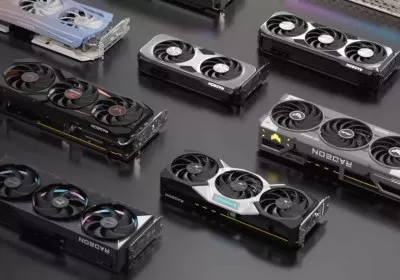
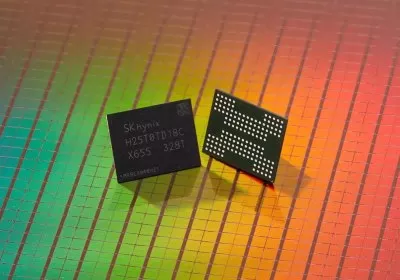
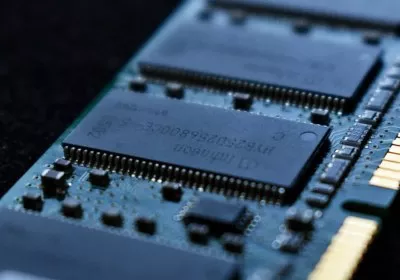
Expect a $10 per 8GB VRAM bump, with another hike possibly coming next month
Winners & losers: Memory price hikes stemming from the AI craze have triggered domino effects across the tech industry: pushing up hardware costs, restricting availability, and even reshaping business strategies. New reports confirm earlier concerns that graphics cards will become more expensive in 2026 – even if slightly for now – though CPUs appear unaffected.
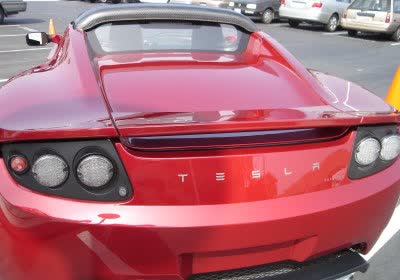
The expiration of the $7,500 EV tax credit helped spark record sales that reshaped September's pricing landscape
Bottom line: Five years ago, the average new vehicle cost roughly $40,000. The current average of over $50,000 illustrates the rapid escalation of prices and the transformation of what constitutes a "typical" new car purchase in the US. For many Americans, the new car market has shifted decisively toward affluent buyers and technologically advanced vehicles, with economic pressures and regulatory changes redefining both supply and demand.
Is it me, or is the industry as a whole missing the point?
Editor's take: Game prices are climbing to $70 and beyond, with publishers blaming inflation and rising development costs. However, players are pushing back against the price hikes because current big-budget games consistently fail to deliver comparable value. Current prices are a symptom of a much bigger problem.
Facepalm: As of today, the entry-level Xbox Series S will cost $379.99 for the 512GB model and $429.99 for the 1TB version – an $80 to $130 increase over last year's pricing. Meanwhile, the Xbox Series X Digital has jumped to $549.99, and the flagship Series X now carries a hefty $599.99 price tag. Even premium models like the limited-edition 2TB Galaxy Series X haven't been spared, rising from $599.99 to a steep $729.99.
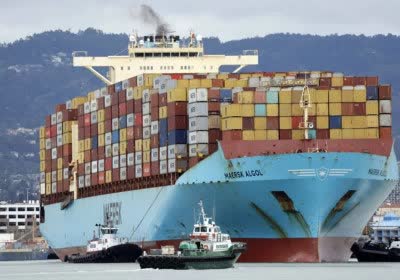
Trump administration enacts 25 percent tariffs on Mexico and Canada, increases anti-China tariffs to 20 percent
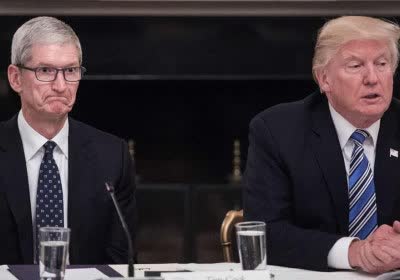
The big picture: President Trump's long-feared tariffs on Mexican, Canadian, and Chinese imports have finally arrived. As retaliatory tariffs from the affected countries launch a trade war that could severely slow the global economy, retail executives warn consumers to expect price hikes.