Thomas Mahler compared Game Pass incentives to communism
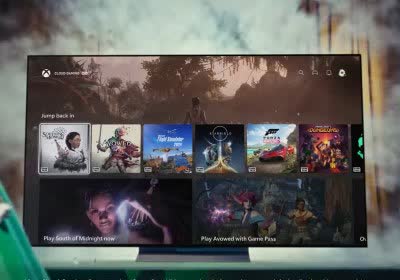
A hot potato: Things aren't going well for Xbox right now. With the massive changes, studios closing, and the future of the brand itself being questioned, Game Pass has also found itself under the spotlight. According to the director of the Ori games, the subscription service would be much more successful if studios weren't incentivized to "slop out mediocre content like a factory."
Facepalm: If there's a sure way to lose a huge number of subscribers to your successful service, it's implementing a massive price hike. It seems Microsoft was unaware of this obvious fact when it increased Game Pass prices last year, only now admitting that "millions" of people left as a result. It wasn't long before Microsoft reversed this (under new leadership), lowering prices closer to their original levels.
Ultimate jumps to $29.99 a month as PC Game Pass also gets a steep increase
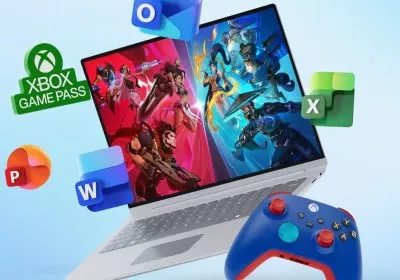
Bottom line: Microsoft's gamble on gaming subscriptions has reached a turning point. Xbox Game Pass, once an ambitious bet on a Netflix-for-games model, is now officially in the black, pulling in billions. But as it proves sustainable, Microsoft is also restructuring the service and making its priciest tier far more expensive. The shift signals more than just a new billing structure... it's a test of whether players will accept higher costs in exchange for bigger libraries and premium perks.
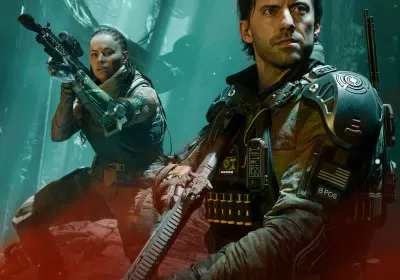
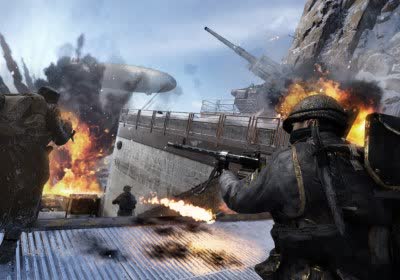
What just happened? Just days after its arrival on PC Game Pass, Call of Duty: WWII has been pulled offline. The abrupt removal follows a surge of reports from the gaming community about a critical security vulnerability that allowed attackers to remotely take control of players' computers during online matches.