The neoclouds are burning cash by the billion. Nvidia just lined up the money to keep them building
Why it matters: Nvidia has quietly assembled every piece of a cloud giant, and it doesn't even need to own the buildings. That is the theory making the rounds, and once you see it laid out, the last two years stop looking like a chip company having a very good run and start looking like a plan. The financing arrangement Nvidia signed this month with BlackRock, Goldman Sachs, and four other Wall Street heavyweights, aimed at funneling more than $500 billion of outside capital into AI data centers, would be the last piece clicking into place. Most outlets filed it under the now usual "more AI money" headline, but there is a more interesting read.
Comet combines a familiar Chromium browsing experience with Perplexity's AI assistant that can summarize pages, answer questions, and help with tasks across tabs. For more browser options, including traditional alternatives, check out our Essential Apps for Windows and macOS.
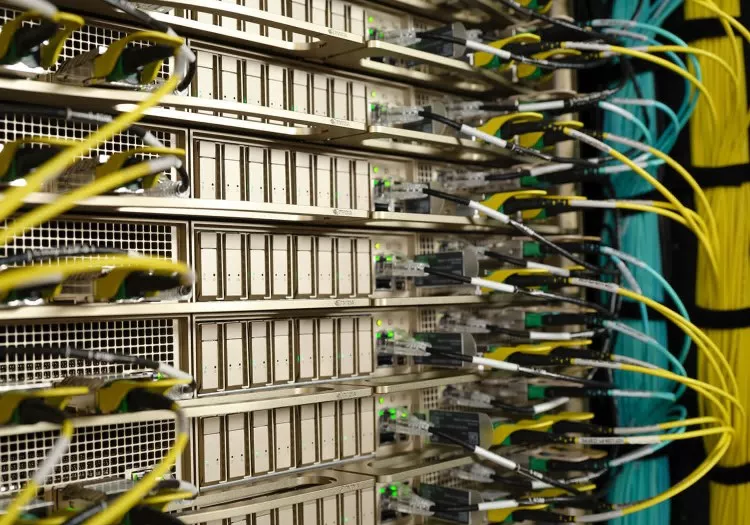
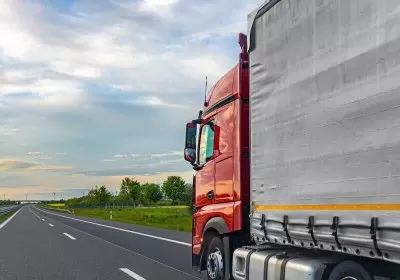
Authorities have recovered millions in stolen equipment, including $550,000 in Meta server switches
TL;DR: Cargo thieves are targeting equipment used in AI data centers, from server switches to cooling systems and networking hardware. In two recent California cases, criminals appear to have used car crashes to separate trucks from their security escorts before the shipments vanished. The incidents highlight how organized groups are using carrier-identity fraud, GPS manipulation and, increasingly, aggressive roadside tactics to steal high-value tech moving through the freight network.
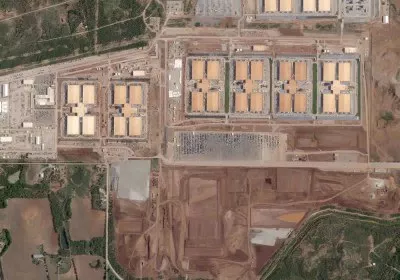
The facility could release up to 33 million tons of CO2 a year, rivaling Switzerland and Ireland
A hot potato: A proposed Amazon data center in Texas has sparked concerns that its massive on-site power plant could become the single-largest source of pollution in the US, threatening to affect local communities, farmland, and small businesses. The facility is planned for Pecos County as part of Amazon's growing push into AI and cloud services.
The demonstration tested whether adversarial design can defeat computer-vision algorithms
What just happened? Bill Swearingen's noRecognition project is testing whether computer-generated patterns can interfere with software used to identify people, vehicles, and other objects on surveillance cameras. The project received its first public test Friday at the Def Con cybersecurity conference in Las Vegas. Swearingen worked with Donut Media to cover a 2009 Toyota Yaris with one of his patterns and drive it past a Flock camera. "We proved it was effective," Swearingen, a cybersecurity professional and founder of SIXCYBER, told TechCrunch.
The chatbot recommended an herbicide that also kills sesame plants
Facepalm: Most readers of this site know not to blindly trust AI on important matters, even if it got things right before. A farmer in Chuzhou, China, discovered this the hard way when he took weed and pest control advice from a chatbot. The result was the death of 25 acres of crops.