Google and Alphabet Watch: Insights on Google's ecosystem, including Android, Gmail, Chrome, plus other bets and innovations coming from Mountain View.
Combines Android, ChromeOS, and Gemini. Coming this fall
In brief: Years of leaks and statements from Google have teased the company's plans for ChromeOS to evolve into a more direct competitor to Windows and macOS. Googlebook represents a first major step in that direction. Centered on Gemini, the new OS brings Android's software stack into a full-blown PC environment.
The big picture: American classrooms now run on YouTube. In many districts, it sits at the center of the entire tech stack: Chromebooks or iPads in every backpack, Google accounts for every student, and videos queued for everything from math lessons to indoor recess. Teachers use it to read to a class, teach first graders to draw, or fill the last few minutes before dismissal. But the platform was never designed to be the primary gatekeeper of what children watch during the school day.
Editor's take: Google is once again trying to simplify something that was already fairly easy and convenient. Mountain View's latest target is email-based authentication, which is now dropping the email-checking step altogether thanks to a new Android API update.
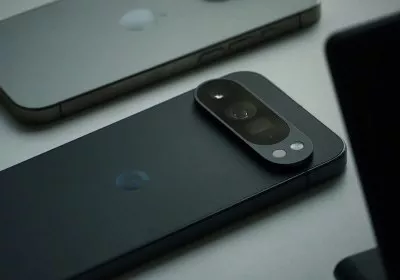
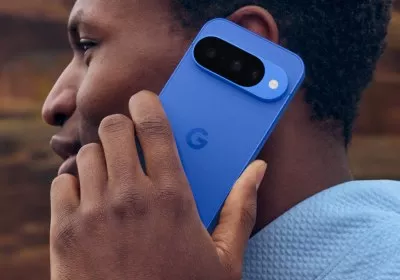
The 128GB Pixel 10 is down to $549, its lowest recorded price so far. It offers Google's latest Tensor chip, a 120Hz OLED display, and long-term software support, making it a competitive option in the mainstream segment.
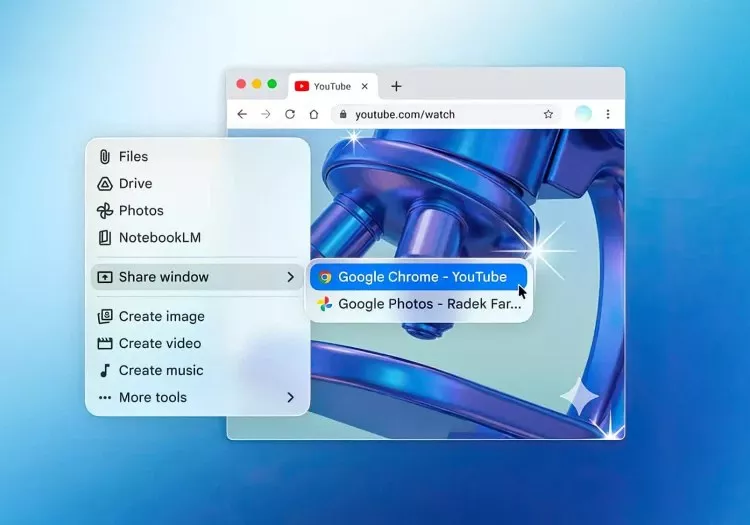
The Gemini app for macOS gives Google's AI a native home on Apple desktops, with quick access via keyboard shortcuts, tight system integration, and the ability to work with on-screen content, local files, and Google services like Drive and Photos.