Google and Alphabet Watch: Insights on Google's ecosystem, including Android, Gmail, Chrome, plus other bets and innovations coming from Mountain View.
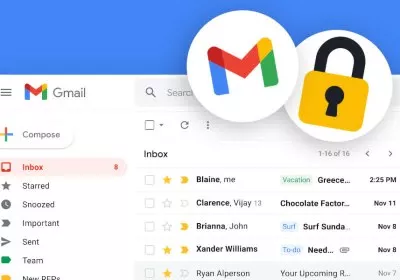
TL;DR: Many Gmail users stuck with outdated or embarrassing usernames have spent years or decades hoping Google would add the ability to change them without losing past emails or other data. The company quietly teased the functionality late last year and has now enabled it for all US users.
Google Chrome 146 fixes 26 security vulnerabilities but with no evidence of active exploitation so far. The update addresses three critical memory-related flaws, along with several high-risk issues impacting components like WebGL and the V8 JavaScript engine.
AI-generated game worlds are still highly experimental
Gaming Slop: Google recently showcased updates to its Genie 3 platform, offering another glimpse at how AI might one day generate interactive worlds on the fly. The technology is advancing, but a key challenge remains: maintaining world consistency. For now, the model can only sustain coherent environments for short bursts before scenes begin to unravel, keeping the technology far from reliable enough for use in a professional game development workflow.
Reviews of the Pixel 10a describe it as a minor update over last year's model, with mostly cosmetic changes and similar hardware. Despite the limited changes, critics say it remains one of the best budget Android phones thanks to its reliable performance, strong cameras, and competitive $500 price point.
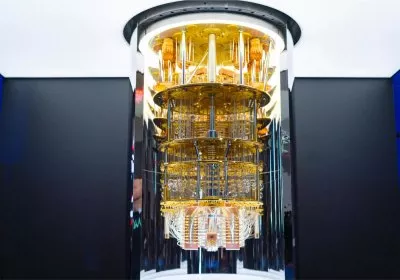
Why it matters: One of the greatest risks of quantum computing is its potential to break many of the cryptographic protocols that keeps the internet safe today. Thankfully, quantum is still fairly distant from being that great a risk – at this stage, it can't break internet encryption. But Google isn't exactly waiting around for that to happen. On Friday, the company announced that Chrome is rolling out a new type of web certificate that's essentially designed to be quantum-proof from the ground up.