Nvidia joins the battle of making the CPU interesting again
The big picture: Nvidia lifted the embargo on its Vera CPU deep dive this week, and the disclosure amounts to a direct challenge to two decades of x86 datacenter design philosophy. This is the most detail the company has shared on the chip since it first appeared on the Rubin roadmap, and it confirms something I have suspected for a while: Nvidia is not treating the CPU as an attach story anymore. It is treating it as a battleground with a lot of potential dollars at play.
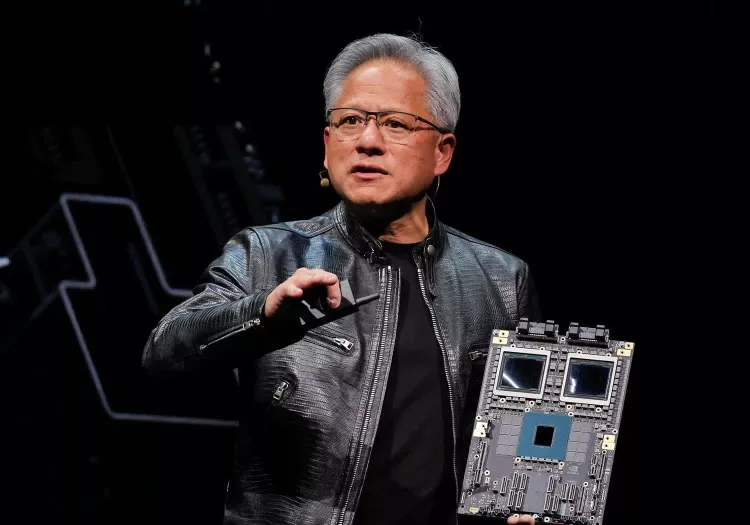
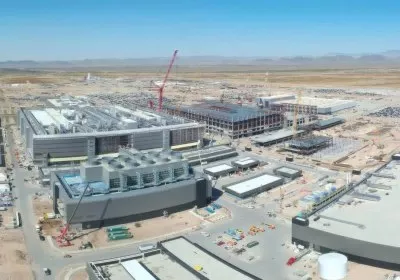
Big quote: Jensen Huang just spent a week watching his company's valuation get hit by the threat of a Chinese open-weight model. His response was to go on the record defending it. Speaking to Axios in Fort Worth, Texas, at the opening of a new phase of the Wistron plant that builds Nvidia's AI infrastructure, the Nvidia CEO said American companies should "absolutely" be free to run Chinese models. "These Chinese models are excellent," he said. "Open-source models that are excellent should be used." Asked whether China could displace American labs, he was blunt: "Zero possibility."
Ripple effect: Amid growing talk of an AI bubble, a study by Japanese market analysts has found that five of the largest American technology companies are carrying a collective "hidden" debt of over $1.65 trillion, driven largely by massive spending on AI infrastructure. That undisclosed sum exceeds the $1.35 trillion the same companies have officially reported on their balance sheets, and it has grown eightfold over the past four years.
TrendForce expects supply growth to overtake demand, while AI keeps pressure on DRAM
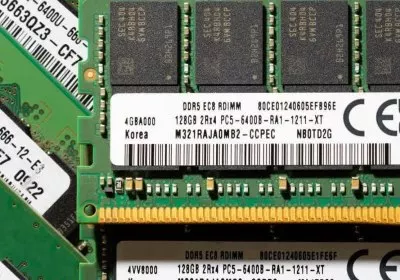
Crystal ball: Maybe we're worrying too much about the current memory crisis: according to TrendForce, NAND flash supply growth will outpace demand next year, with supply constraints easing in the second half of 2027. Or maybe we're not worrying enough: Adata's chairman says DRAM shortages will last another decade and that memory and electricity will become the world's two scarcest resources.
Reports of an AI bubble are greatly exaggerated, says the man behind WeWork's $47 billion collapse
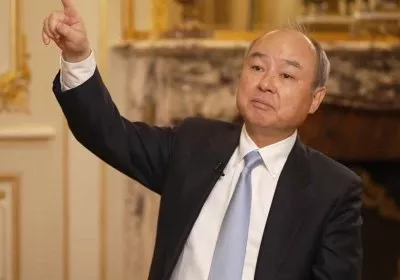
Sarah Connor warned us: Multiple reports are routinely confirming that the alleged "AI revolution" is not going the way Big Tech and VC investors would like it to. SoftBank's founder and largest shareholder, however, still believes the revolution will come to pass. AI skeptics, in his view, are simply on the wrong side of history. Or are they?