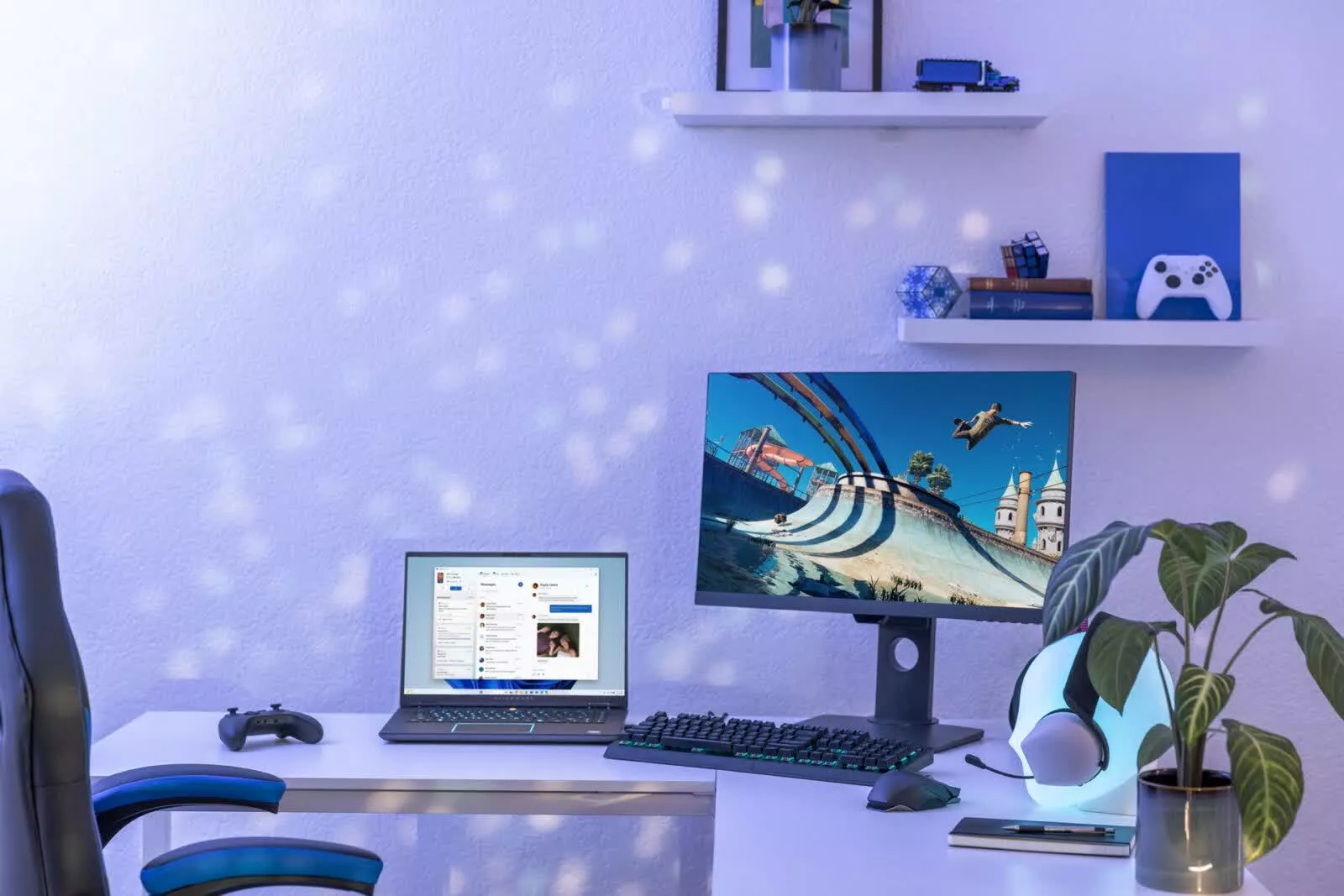
Looking ahead: Microsoft has signaled that much of 2026 will be devoted to improving Windows 11's performance and reliability. While the company has already unveiled updates to the taskbar, Windows Update, and other core system components, new insider information suggests the changes ahead run much deeper.
Sources tell Windows Central that recent Windows 11 updates are only a sliver of a much larger internal effort to stabilize the operating system after a string of controversies. Botched updates and an aggressive AI push have intensified user frustration with Windows, and rivals macOS and Linux appear to be gaining ground as a result.
The company has recently walked back earlier plans to turn Windows into an "agentic OS," revived taskbar repositioning, and allowed Insiders to test Xbox Mode and to indefinitely delay updates.
These moves are reportedly part of "Windows K2," a strategy designed to dramatically improve performance, rework how OS development teams collaborate, shore up reliability, and rebuild a sense of community among beta testers.
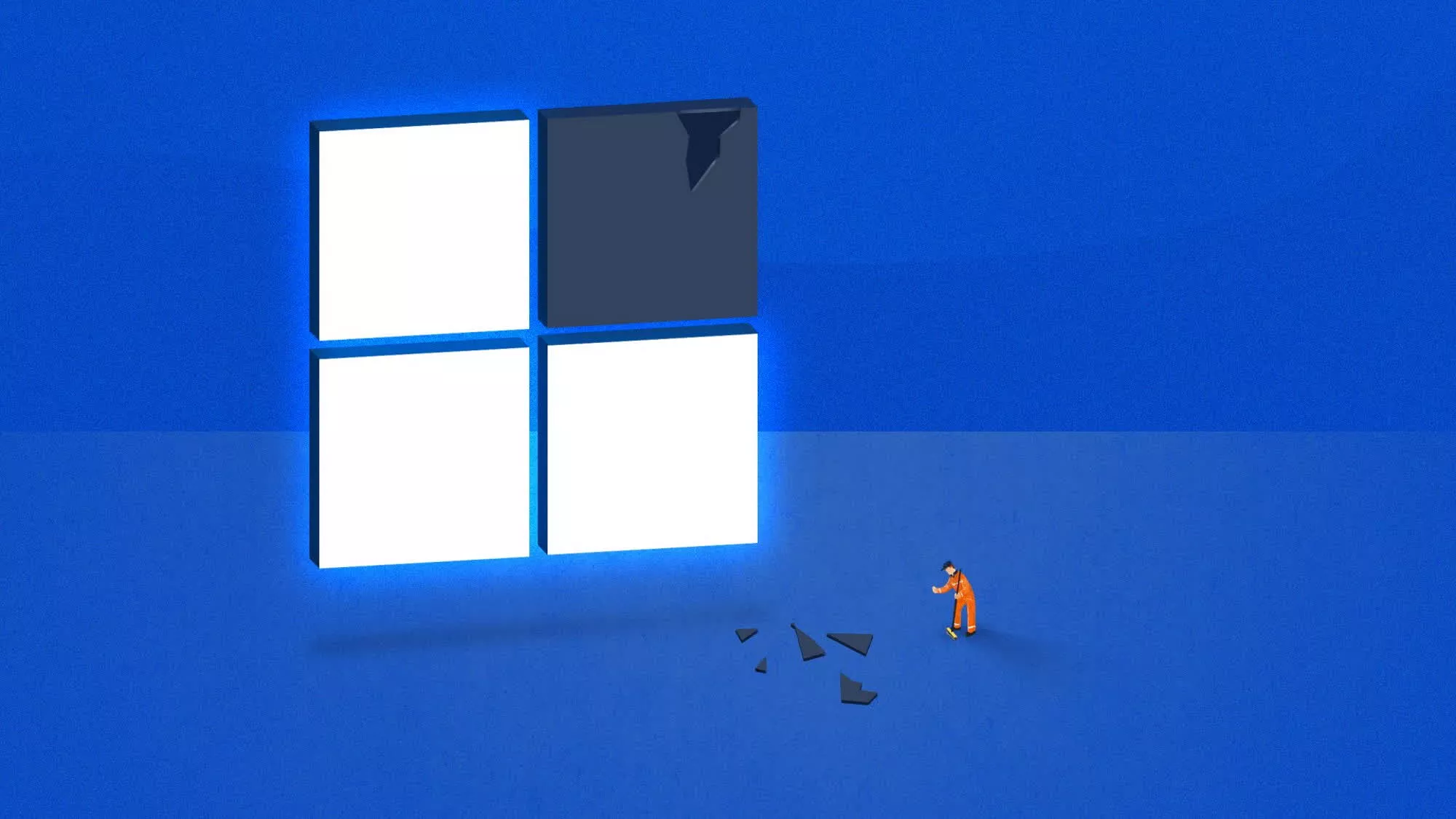
As part of that effort, Microsoft will roll out new features more gradually and raise the quality bar each update must clear before advancing through Insider channels. The company also plans to revive in-person meetups for Insider testers and is encouraging Windows developers to be more active on social media.
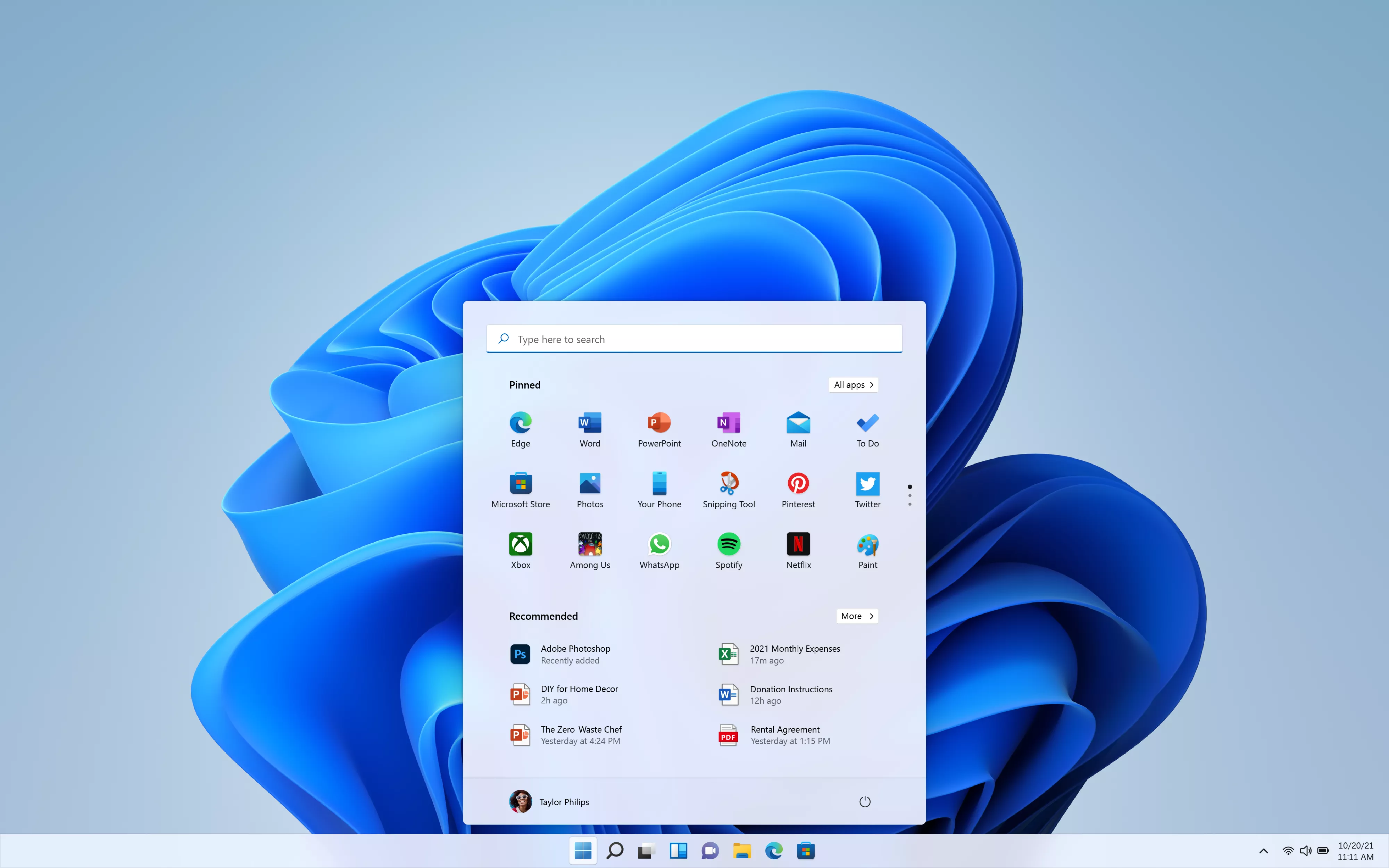
Performance work extends to File Explorer, where Microsoft is aiming for instant filename searches and is benchmarking the official app against File Pilot, a third-party alternative. The Start Menu is also in line for an overhaul, with the company targeting performance gains of up to 60% through an initiative called WinUI 3. To minimize disruption, Windows will soon update display drivers only during reboots.
Gaming is another major priority. Microsoft recently outlined plans to reduce background-task overhead and introduce a console-like user interface, and internally the company is targeting parity with SteamOS performance within two years.
The pressure there is real. Since Valve began backing compatibility layer development, many Windows games now run faster on Linux distributions such as SteamOS, CachyOS, and Bazzite. Valve's forthcoming Steam Machine is poised to bring SteamOS to living rooms and desktops, raising the stakes further.
Microsoft also wants Windows to run more smoothly on low-end hardware, particularly machines with just 8GB of RAM.
That push appears to be a response to Apple's MacBook Neo, a $600 laptop that could help the Cupertino company leapfrog Dell to become the third-largest laptop seller worldwide. The budget MacBook may shape up to be one of the biggest threats the Windows ecosystem has faced in recent memory.