A rethink of cells, chargers, and infrastructure pushed EV refueling into gas-station territory
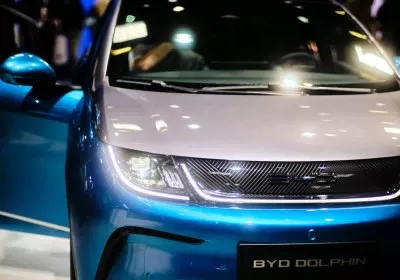
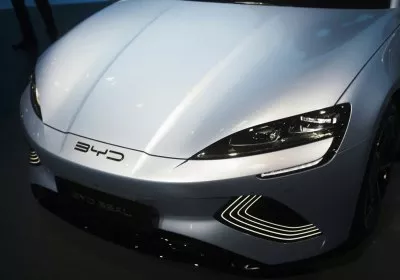
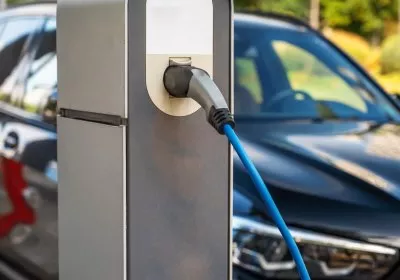
Connecting the dots: Chinese automaker BYD has pulled ahead of global rivals in a race many in the industry consider pivotal to mainstream electric vehicle adoption: charging speed. Through tight vertical integration, new battery chemistries, and aggressive infrastructure expansion, the company has shown that refueling an EV can now take minutes rather than half an hour.
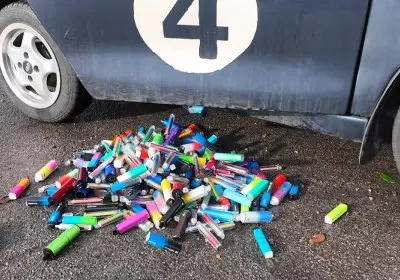
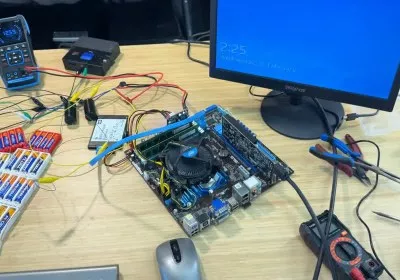
The takeaway: A small car parked in a rainy British driveway might seem an unlikely place for a battery revolution. Yet that's where engineer and YouTuber Chris Doel has built the world's first vape-powered vehicle – a working proof of concept that challenges both the limits of lithium-ion recycling and society's growing mountain of electronic waste.
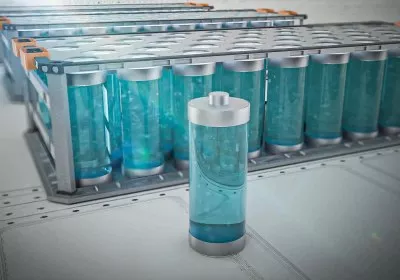
Solvent-free electrodes promise smaller factories and lower costs
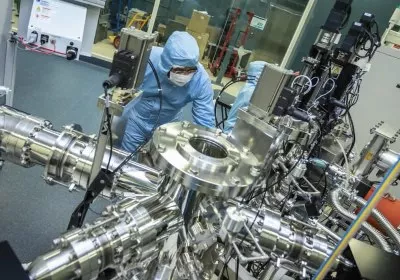
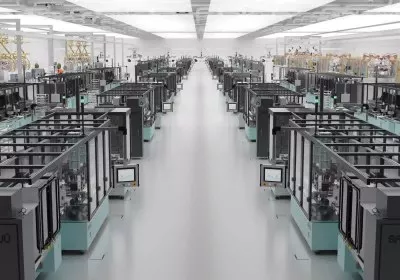
Why it matters: High-efficiency battery factories, not faster cars, are emerging as the real test of who wins the next phase of the EV race. The companies that can strip energy use, floor space, and solvents out of cell production are beginning to show how electric vehicles could finally hit mass-market price points without sacrificing range or performance.
Forward-looking: What started as a curiosity at CES 2025 has quietly matured into one of the show's most convincing sustainability narratives a year later. Flint, the Singapore-based startup developing a fully cellulose-based paper battery, is now in production and gearing up to supply its renewable power cells to major electronics partners, including Logitech, Amazon, and Apple accessory maker Nimble.