Connecting the dots: When Google's Threat Analysis Group uncovered unusual network activity rippling across millions of internet-connected devices, something didn't add up. The traffic patterns didn't match typical malware signatures. Instead, what they found looked more like a massive distributed relay system: millions of private phones, computers, and smart home devices quietly moving data for someone else. That someone, Google now says, was a Chinese company called IPIDEA.
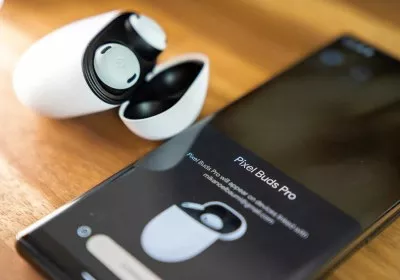
The WhisperPair vulnerability affects headphones and speakers from major brands
Winners & losers: Google's Fast Pair technology was designed for convenience. The protocol turns pairing a new Bluetooth accessory into a tap-and-go experience for Android and Chrome OS users. But new research suggests that the same design choices that make Fast Pair effortless also make it alarmingly easy to abuse.
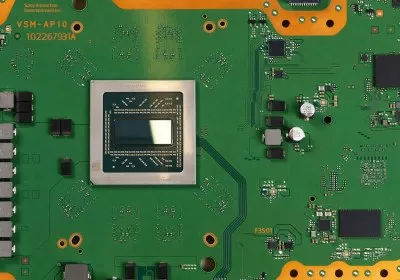
What we know so far: Over the past few days, unknown hackers have leaked the security keys Sony uses to safeguard the PlayStation 5's chain of trust. Known as BootROM keys, the data could – at least in theory – dramatically accelerate the PS5 hacking scene, cracking open what has long been a black box of custom hardware logic and tightly controlled encryption methods.
Connecting the dots: Notorious cybercrime leader Vyacheslav Penchukov – better known online as Tank – is now serving a nine-year sentence in a federal prison in Colorado, following his orchestration of some of the most destructive banking malware and ransomware campaigns over the past two decades. A report by BBC correspondent Joe Tidy provides an unprecedented look into Penchukov's criminal career, from his days leading the infamous Jabber Zeus syndicate to his later involvement in major ransomware groups targeting international businesses and hospitals.