Windows is getting patched faster than ever, but users are paying for it
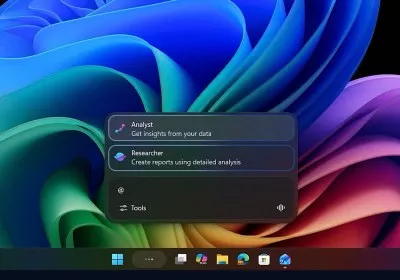
Winners & losers: Microsoft has released an out-of-band update to repair the damage from September's Patch Tuesday. That release fixed nearly 1,000 vulnerabilities across Microsoft's products and broke a number of things along the way. The emergency patch fixes Remote Desktop failures, a virtualization bug, and part of an audio problem. Several of the most disruptive complaints remain unresolved, including AMD Radeon crashes and Explorer failing to load.
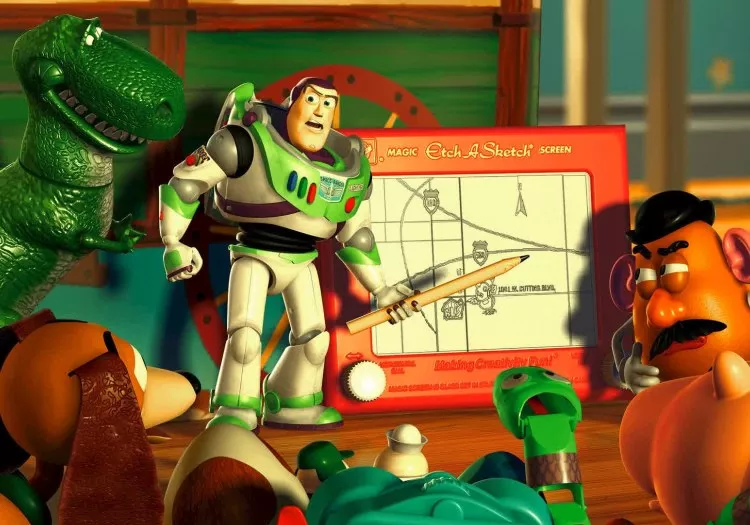
Oops: Twenty-eight years ago, Pixar nearly lost 90% of Toy Story 2's digital files – not because a system crashed, but because someone ran a routine Unix command that engineers had been using for years without a second thought. The command /bin/rm -r -f instructs the system to recursively delete everything under a directory without asking for confirmation. At Pixar in 1998, it was apparently executed in the wrong location.
Ferrari wanted its EV to be provocative. Mission accomplished.
A hot potato: Ferrari's long-awaited move into fully electric vehicles landed with an immediate financial jolt. Shares in the company dropped about 8% after the debut of the Luce, wiping out more than $5 billion in market value and signaling investor unease with both the design and the broader strategy. The reaction didn't stop with investors. Within hours of the unveiling, criticism spread across social media, owner forums, and even into Italian politics.
A basic security lapse raises bigger questions about crypto oversight
Facepalm: Last month, South Korea's National Police Agency realized that 22 Bitcoin had been missing for years after officials failed to transfer the seized funds to a state-owned wallet. Now the country's National Tax Service has stumbled into an even more damaging mistake – effectively handing cybercriminals the keys to confiscated crypto.
The most secure messaging app - until someone invites a journalist
Facepalm:Signal likes to present itself as the most private and secure messaging service around, but the nonprofit likely didn't design the app for sharing classified plans regarding imminent military action. Yet earlier this month, senior US government and military officials did just that. Signal's president later defended the service amid renewed comparisons to WhatsApp.
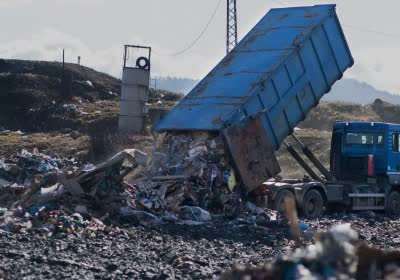
In brief: James Howells, the man who has spent more than a decade trying to recover a hard drive containing more than $750 million worth of Bitcoin from a landfill, is not giving up on his quest for fortune. After a judge threw out his request to dig at the site last month, Howells is now considering buying the facility, which is due to be closed.