Get Off My Phone: The recently unveiled case brought by the US Department of Justice against a GrapheneOS user is rekindling debate around privacy and effective operational security on mobile devices. The GrapheneOS Foundation has joined that debate, reaffirming some key points about the operating system's security features and whether previously deleted data can ever be recovered.
Apple is reportedly exploring camera restrictions and on-device processing to prevent its wearable from becoming a privacy nightmare
Through the looking glass: Apple is facing a dilemma: how can a company that has long prided itself on respecting users' privacy release a product notorious for spying on people – smart glasses? It's something that Cupertino is worried about, which is why its take on the device is reportedly being delayed until late 2027.
Prosecutors say the OS erased evidence, but advocates warn the case could criminalize security tools
A hot potato: A federal case in Atlanta is raising questions about a privacy-focused mobile operating system, with prosecutors arguing that its features were used to erase evidence. The US Department of Justice is attempting to prosecute Atlanta resident Sam Tunick under a federal statute that makes it a crime to destroy property in an effort to prevent it from being seized.
LibreWolf browser removes Mozilla telemetry and enables stricter privacy and security settings by default. It remains compatible with most Firefox extensions and is typically updated shortly after new Firefox releases.
Through the looking glass: Meta launched a new AI image-generation model called Muse Image this week, letting users create, edit, and blend photos using natural language prompts inside Meta AI, with the tool already live on Instagram and WhatsApp and expected on Facebook and Messenger soon. However, the new feature is already raising privacy concerns, as it allows anyone to generate AI images using other people's Instagram photos.
People paid up to $100 in the "black market" to disable Meta glasses' recording light
A hot potato: The ability of smart glasses to record and photograph people without their knowledge or consent has long been one of the devices' most controversial aspects. Meta's glasses come with an LED light to show when they're recording, but some individuals have found ways to stop this indicator. Now, the social media giant says it will disable the onboard camera if someone tampers with the light.
Several communities have canceled contracts over government overreach fears
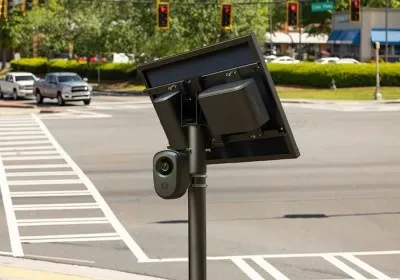
In a nutshell: Cities are collecting vast amounts of vehicle data through AI-powered camera networks, giving police the ability to track a car's movements across jurisdictions in seconds. The same systems are also fueling a growing debate over how much surveillance is too much.
WhatsApp is rolling out unique usernames, letting users connect without sharing their phone number. To claim yours, update to the latestversion of WhatsApp, go to Settings > Account > Username, and pick an available handle. The feature is rolling out gradually, with broader availability expected later this year.