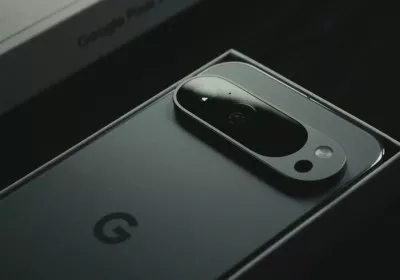
Something to look forward to: Researchers at Penn State University have demonstrated a new method of remote surveillance that enables the reconstruction of phone conversations using the subtle vibrations generated by a cellphone's earpiece. This technique, known as wireless tapping, uses millimeter wave radar sensors to detect and interpret these minute vibrations from distances of up to ten feet.
Forward-looking: The Trump administration wants the US public to upload personal health data and medical records to a series of apps and systems managed by private health companies and tech giants. The move is supposed to allow easier access to health records across the nation, bringing personal healthcare into the digital age, but there are plenty of concerns about the security of the data and the possibility that it could be exploited.
Cutting corners: When the United Kingdom began strictly enforcing age verification rules on all adult websites, many predicted a spike in VPN usage – and provider Proton now has the data to prove it. But another unusual and amusing workaround has also emerged.
Tor Browser, based on Firefox ESR, uses a global network of relays to anonymize your browsing and protect your IP address. It includes a variety of privacy tools and differs from a VPN by routing traffic through multiple encrypted relays rather than masking it with a single server.
Select either a software wipe that preserves the drive or hardware-level destruction that renders it unusable
Something to look forward to: It's the kind of gadget Q might slip into James Bond's tuxedo pocket: an SSD with a built-in self-destruct feature. TeamGroup has developed the P250Q-M80, which brings a touch of cinematic espionage to real-world data security. This industrial-grade storage device is engineered for sectors where data security is paramount, such as defense, industrial automation, and AI development.