Microsoft DirectX embraces neural rendering for next-gen graphics
A cross-platform revolution in real-time PC graphics rendering?

30+ years ago, PC gamers could choose GPUs from over 10 different makers. The story of Rendition is a fascinating tale of engineering brilliance and lost opportunities from the golden age of graphics. Plus, some easter egg content about TechSpot's history and how it all relates.

While higher resolution monitors are becoming more popular and we recommend them, 1080p continues to have the most usage among PC gamers. We take a look at DLSS upscaling vs native rendering at 1080p.


#TBT Every few years it seems like there's an amazing new technology with the promise of making games look ever more realistic. We've had shaders, tessellation, shadow mapping, ray tracing – and now there's path tracing.

You're playing the latest games at beautiful 4K ultra res. Do you ever wonder how those graphics got there? Welcome to our 3D Game Rendering 101: A guide to how one basic frame of gaming goodness is made.

AMD's FSR 3 frame generation technology made a surprise debut earlier this month in two games, and we're ready to give you an early look, covering frame pacing, image quality and latency.


We often hear people say that DLSS can deliver "better than native" image quality, giving gamers not only a performance boost but superior visuals. Let's find out if this is at all true.

Nvidia is making some pretty bold claims around DLSS 3, like the ability to 3x-4x performance with RTX 40 GPUs. Let's explore this new technology and see if it's a true next-gen selling point.

With CPUs and GPUs continuing to get more powerful with each new generation, the push for ever more realistic graphics in blockbuster games shows no signs of slowing down. Today's best-looking titles already look stunning, so how much better can they possibly get? Join us as we take a look at what awaits us in the future of 3D graphics.




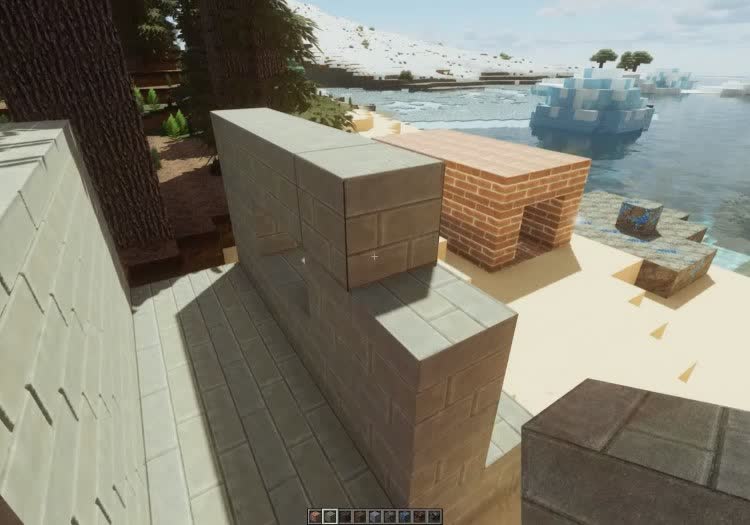

The 3D games we play and love are all made up of thousands, if not millions, of colored straight lines, which inevitably will look jagged in our screens if not for smoothing anti-aliasing techniques. Let us explain in this new deep dive.

DirectX 12 has been expanding to cover ray tracing, machine learning and faster storage. Learn how next-gen titles like Cyberpunk 2077 are using some of these extras, and how they'll make games better for us all.

The vast majority of visual effects you see in games today depend on the clever use of lighting and shadows – without them, games would be dull and lifeless. In this fourth part of our deep look at 3D game rendering, we'll focus on what happens to a 3D world alongside processing vertices and applying textures. It once again involves a lot of math and a sound grasp of the fundamentals of optics.

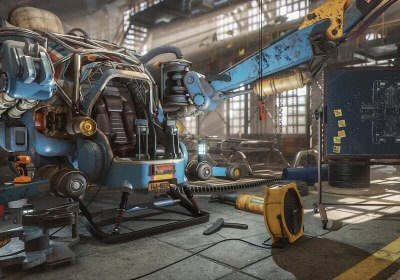

In this third part of our deeper look at 3D game rendering, we'll be focusing what can happen to the 3D world after the vertex processing has done and the scene has been rasterized. The majority of the visual effects seen in games today are down to the clever use of textures – without them, games would dull and lifeless. So let's get dive in and see how this all works!
