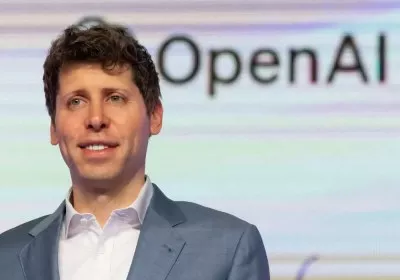
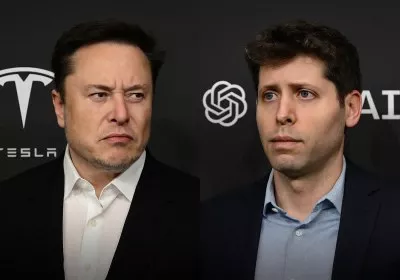
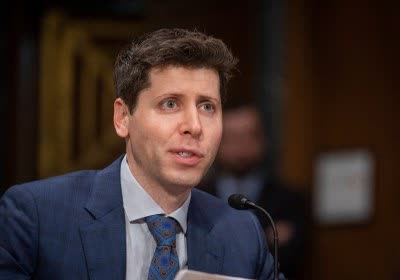
WTF?! It seems OpenAI CEO Sam Altman has grown tired of defending AI's consumption of our planet's rapidly depleting natural resources. In a recent interview, he said water-usage concerns over data centers were "fake," before highlighting the shocking amount of energy it takes to "train a human."
Bottom line: Despite Big Tech pouring trillions into AI initiatives and building massive new data centers, the expected returns may never materialize. Analysts warn that the hype far outpaces reality, creating a precarious financial bubble that could have ripple effects across the broader economy.
OpenAI is betting on AMD chips in challenge to Nvidia's AI dominance
What just happened? The scale and speed of investments by OpenAI, Meta, Alphabet, and Microsoft in chips, data centers, and energy infrastructure have drawn comparisons to past build-outs, from the 19th-century railroad boom to the fiber-optic rollout. AMD's gains suggest a shift in the AI hardware market while underscoring how closely the leading players are tying their futures to rapid infrastructure growth.
The nonprofit could hold a stake worth over $100 billion if OpenAI reaches a $500 billion valuation in private markets
What just happened? Microsoft and OpenAI have reached an agreement to extend their high-profile partnership, resolving months of strained negotiations and clearing the way for the artificial intelligence startup to move forward with its plan to form a for-profit corporation. The non-binding deal represents a potential turning point in one of the most closely watched relationships in the AI sector, though many of the terms have yet to be finalized.