Wall street articles
Kalshi calls itself a hedging platform now, but critics say it's still just sports betting in disguise
Push into Wall Street looks a lot like a strategy to dodge sports betting regulation
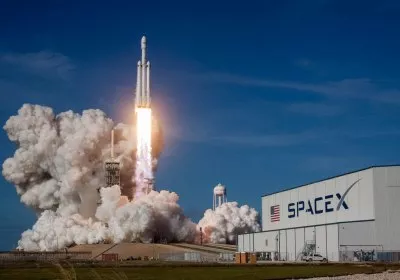
SpaceX IPO could be the largest in history at a $1.76 trillion valuation
With shares fixed at $135, Wall Street thinks that's roughly twice what the company is worth
Anthropic files for IPO, joining OpenAI and SpaceX in the race to go public
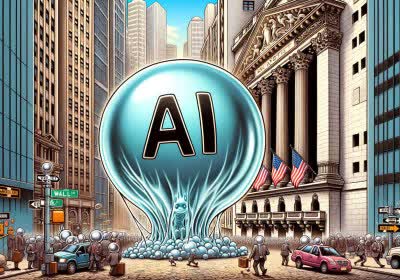
The AI bubble is heading to Wall Street, starting with Anthropic
Why it matters: Anthropic's filing turns the AI race into something Wall Street can finally measure. For the last few years, frontier AI companies have been valued by private investors on growth, ambition, and the fear of missing the next platform shift. A public filing will eventually force Anthropic to disclose the numbers that matter most: revenue, losses, infrastructure costs, margins, and how much money it takes to keep Claude competitive.

SpaceX files for record-breaking IPO with rockets, AI, and Mars ambitions at the center
Starlink growth is funding massive AI and Starship spending, for now
Bottom line: SpaceX has filed for an IPO that could become the largest in history, giving investors a detailed look at a business that spans rockets, satellite networks, and AI infrastructure. The filing portrays a company growing quickly but spending heavily.
Michael Burry of "The Big Short" fame warns of inflated tech stock valuations amid fears of an AI bubble
Tech companies have allegedly overstated earnings for years
Nvidia says it's not buying a PC maker, but the idea didn't seem crazy
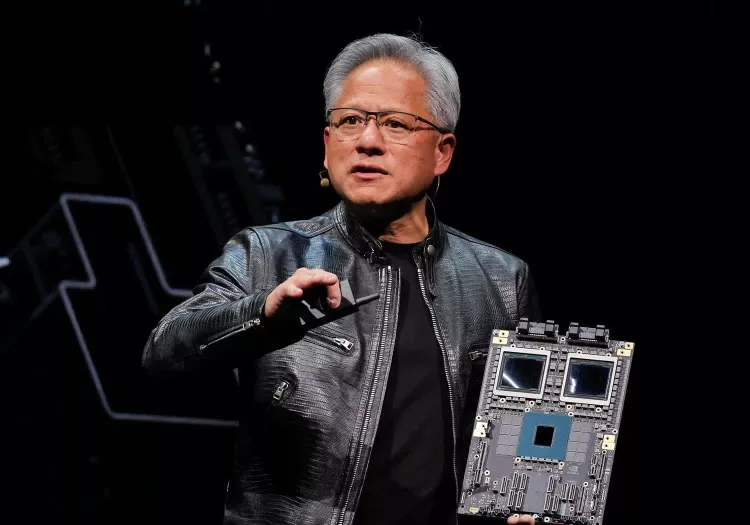
Editor's take: Nvidia's denial of buyout talks with a major PC maker did little to settle a deeper question hanging over the industry: If the world's most valuable chip designer chose to reshape the PC market by acquisition, who could realistically stand in its way? The company's influence over AI hardware is now so central that even an unconfirmed blog post suggesting talks with a "large PC-oriented company" was enough to jolt the shares of Dell and HP before Nvidia stepped in to say the story was false.
Banks chasing SpaceX IPO were told by Elon Musk to buy Grok subscriptions
Musk has turned dealmaking into a distribution channel
Investors continue to sound the alarm on the inevitable burst of the AI bubble
Bottom line: Despite Big Tech pouring trillions into AI initiatives and building massive new data centers, the expected returns may never materialize. Analysts warn that the hype far outpaces reality, creating a precarious financial bubble that could have ripple effects across the broader economy.
American funding catapults spyware industry beyond Israel's lead
US money now fuels more spyware firms than Europe, giving new life to surveillance tech
Norway pension fund doesn't want to pay Elon Musk's $56 billion Tesla performance bonus
'Mr. Musk wants too much money, say Tesla's Norwegian shareholders
Market investors are starting to bet on Nvidia's fall from AI grace
A hot potato: Nvidia's growth in the past few years has been nothing short of spectacular. The GPU manufacturer is selling a massive number of chips for accelerating AI algorithms, but some investors are now concerned about what comes next. And it's a financial bloodbath.
Dell's market cap gets a boost amid Wall Street's love affair with AI
Actual sales are declining, but who cares about that anymore
SEC head warns of "nearly unavoidable" financial crisis caused by AI
The result of overreliance and a lack of diversity in AI models
A hot potato: The loss of jobs, the death of human creativity, plagiarism, wiping out the human race – is there anything else we need to worry about when it comes to advanced AI? Yes, according to the head of the SEC: a financial crisis that is "nearly unavoidable."
FBI indicts three in insider trading scheme that utilized Xbox 360 chat to hide comms
Ringleader could be looking at as much as 165 years in prison
Wall Street financial firms fined combined $549 million for failure to preserve chat histories
The SEC uncovered pervasive and longstanding "off-channel" communications at all 11 firms
Publicly listed companies will soon have to disclose cybersecurity incidents within four days
In context: The US Securities and Exchange Commission was created after the Wall Street crash of 1929, with the primary purpose of enforcing the rule of law to avoid market manipulation. In an increasingly digital world, however, the biggest threat to markets and shareholders are cybersecurity incidents.
Google is considering a huge expansion to its presence in New York
Potential to hire up to 7,000 more employees
Apple to stop reporting how many devices it sells, stock falls on weaker holiday estimates
iPhone sales were flat, but revenue from the handsets was up