What $135 (or more) a share buys: a rocket business, Starlink, and a very, very large bet on AI
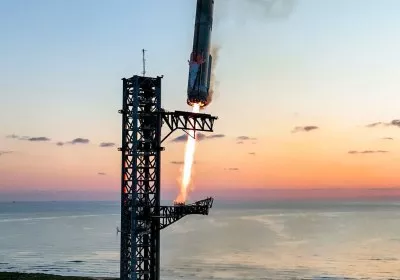
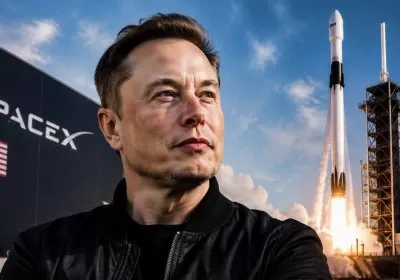
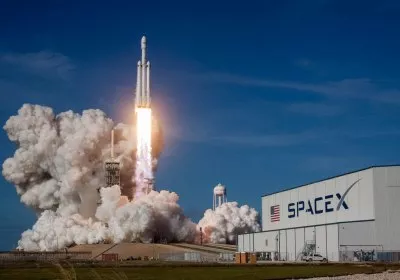
Why it matters: The largest IPO in history did two things at once: it made Elon Musk the world's first trillionaire, and it quietly converted a privately held rocket company into a stock that millions of investors may soon own whether they chose to or not. SpaceX isn't asking Wall Street to price its launches or its satellites. It's asking the market to bet that a rocket company is on its way to becoming one of the most valuable AI companies on Earth, and to start paying for that future today.
The AI bubble is heading to Wall Street, starting with Anthropic
Why it matters: Anthropic's filing turns the AI race into something Wall Street can finally measure. For the last few years, frontier AI companies have been valued by private investors on growth, ambition, and the fear of missing the next platform shift. A public filing will eventually force Anthropic to disclose the numbers that matter most: revenue, losses, infrastructure costs, margins, and how much money it takes to keep Claude competitive.
Starlink growth is funding massive AI and Starship spending, for now
Bottom line: SpaceX has filed for an IPO that could become the largest in history, giving investors a detailed look at a business that spans rockets, satellite networks, and AI infrastructure. The filing portrays a company growing quickly but spending heavily.
Inside the financial web behind Nvidia's AI dominance
Bottom line: Nvidia's explosive rise to become the world's most valuable company has come with an uneasy question from investors: how much of its record-breaking growth depends on financing its own customers? Now worth more than $4 trillion, Nvidia designs the specialized silicon and software that power AI systems, from data centers hosting ChatGPT to national AI computing hubs. But behind that scale lies a complicated web of investments that critics say resembles vendor financing – a practice in which a company lends money to customers who use those funds to buy its products.
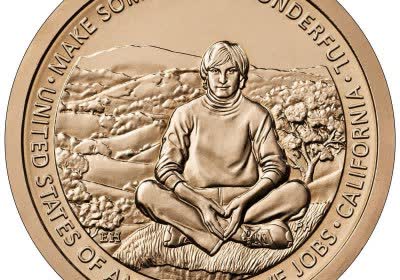
Recap: The United States has been commemorating technological innovations from throughout the nation's history with special $1 coins since 2018, representing all states, territories, and the District of Columbia. Next year's batch of coins includes one representing California, which will depict the famous Apple co-founder.