TSMC struggles to meet surging AI chip demand amid data center boom
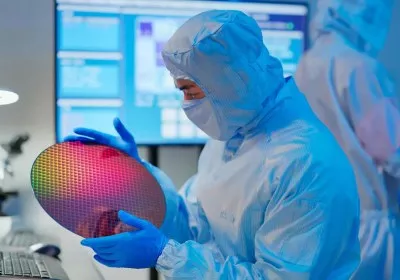
Ripple effect: While critics and PC enthusiasts are cheering for the AI bubble to burst, Big Tech and enterprise ventures cannot buy AI accelerators fast enough. In fact, even one of the world's most important chip manufacturers is now facing significant issues with its ability to meet customer demand.
Elon Musk says OpenAI and Microsoft owe him $134 billion in "wrongful gains"
Musk claims the companies profited from his early contributions
Apple couldn't build the best AI for Siri, so it's borrowing Google's
The next Siri runs on Gemini, not Apple's own models
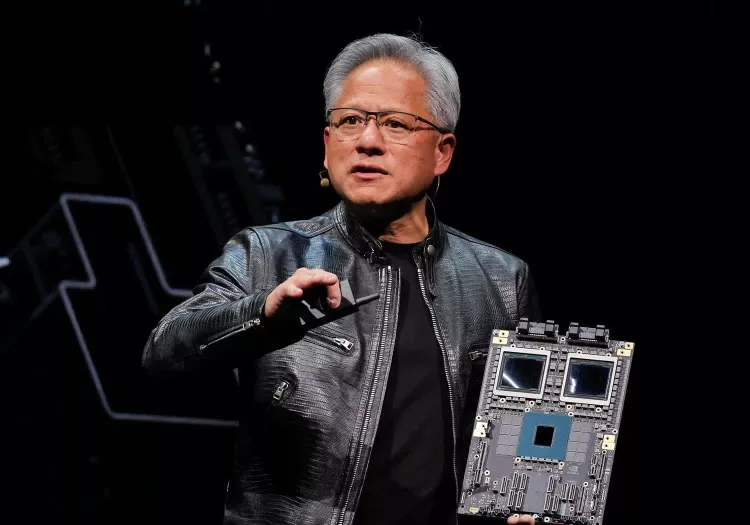
Jensen Huang says relentless negativity around AI is hurting society and has "done a lot of damage"
Won't somebody think of the CEOs?
OpenAI's employee compensation dwarfs every major tech IPO of the past 25 years
Equity pay packages are 34 times higher than pre-IPO tech norms
Bottom line: OpenAI's financial model reflects the intense pressure to retain the people driving its breakthroughs. The company's willingness to spend aggressively on equity has redefined what competitive pay looks like in artificial intelligence – and raised the stakes for every firm vying to shape the field's future.
Intel and Nvidia's superchip plans blend CPUs, GPUs, and big money
Nvidia's $5 billion Intel deal is starting to look like a bargain
Nvidia's $4 trillion rise raises questions about financing its own customers
Inside the financial web behind Nvidia's AI dominance
Bottom line: Nvidia's explosive rise to become the world's most valuable company has come with an uneasy question from investors: how much of its record-breaking growth depends on financing its own customers? Now worth more than $4 trillion, Nvidia designs the specialized silicon and software that power AI systems, from data centers hosting ChatGPT to national AI computing hubs. But behind that scale lies a complicated web of investments that critics say resembles vendor financing – a practice in which a company lends money to customers who use those funds to buy its products.

AI created 50 new billionaires in 2025, startup investment pulled in more than $200 billion
Elon Musk, Jeff Bezos, and Jensen Huang are among the biggest beneficieries
Apple announces more senior execs are leaving, including its general counsel and DEI chief
Companies have been scaling back their DEI programs since Trump took office again
President Macron accuses US of undermining EU investigations into Big Tech
The French president says EU officials fear retaliation as they weigh action against US platforms
Apple fast-tracks CEO succession plans as Tim Cook could step down next year
The board has identified John Ternus as the likely successor
Nvidia becomes the first $5 trillion public company in history
Nvidia's journey to the top has been swift and dramatic
Nvidia, one of the few companies profiting from AI, claims there is no AI bubble
New deals come as rivals challenge Nvidia's grip on AI data centers
Seduction is the new spyware: US tech startups are now the target of "sex warfare"
The spy who shagged me?
Mail-order spies: Tech companies employ some of the most robust network security to protect against IP theft. However, no amount of network security protects against theft from within. While corporate espionage is largely digital these days, good old-fashioned infiltration is still in use. China and Russia increasingly use sexual honeypots to compromise employees and gain access to sensitive technology.
Investors continue to sound the alarm on the inevitable burst of the AI bubble
Bottom line: Despite Big Tech pouring trillions into AI initiatives and building massive new data centers, the expected returns may never materialize. Analysts warn that the hype far outpaces reality, creating a precarious financial bubble that could have ripple effects across the broader economy.
Over 800 public figures, including "AI godfathers" and Steve Wozniak, sign open letter to ban superintelligent AI
Politicians, celebrities, and even royalty have signed the letter
A hot potato: Tech companies are in a race to create superintelligent AI, regardless of what the consequences of creating something much smarter than humans might be. It's led to hundreds of public figures from the world of tech, politics, media, education, religion, and even royalty signing an open letter calling for a ban on the development of superintelligence until certain conditions are met.
Samsung ties employee payouts to stock price in first company-wide incentive program
The three-year plan lets staff choose cash or shares for bonuses
Satya Nadella, Jensen Huang, and Michael Dell all urged Trump to keep Intel's Lip-Bu Tan
Tech leaders rallied to defend Intel CEO resulting in surprise White House turnaround
Musk makes history as the first person to reach $500 billion net worth
An unimaginable amount of wealth
Tim Berners-Lee urges decentralized web to counter AI exploitation and ad-driven abuse
"We took the wrong path"
Apple pushes back on EU's Digital Markets Act, aimed at curbing tech giants' power
Apple claims the regulations are harming consumers and innovation
The AI bubble is the only thing keeping the US economy together, Deutsche Bank warns
When the bubble bursts, reality will hit far harder than anyone expects
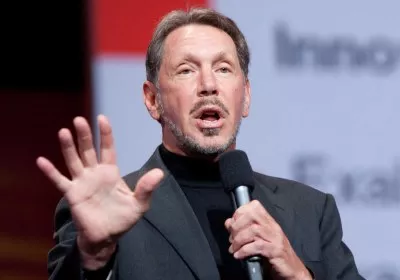
Oracle billionaire Larry Ellison is building a media empire, with stakes in TikTok, CBS, CNN and more
Editor's take: Larry Ellison has spent decades shaping Silicon Valley through Oracle, the software company he co-founded in 1977. Now 81, and with a fortune that recently placed him among the richest people in the world, Ellison is moving in a new direction: media ownership. His investments, alongside those of his son, David, suggest ambitions that extend well beyond the corporate software world he helped define.
Preliminary Microsoft-OpenAI deal clears way for OpenAI's for-profit conversion
The nonprofit could hold a stake worth over $100 billion if OpenAI reaches a $500 billion valuation in private markets