Mail-order spies: Tech companies employ some of the most robust network security to protect against IP theft. However, no amount of network security protects against theft from within. While corporate espionage is largely digital these days, good old-fashioned infiltration is still in use. China and Russia increasingly use sexual honeypots to compromise employees and gain access to sensitive technology.
Bottom line: Despite Big Tech pouring trillions into AI initiatives and building massive new data centers, the expected returns may never materialize. Analysts warn that the hype far outpaces reality, creating a precarious financial bubble that could have ripple effects across the broader economy.
Politicians, celebrities, and even royalty have signed the letter
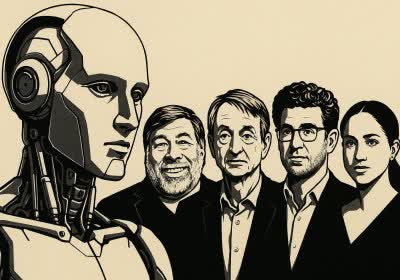
A hot potato: Tech companies are in a race to create superintelligent AI, regardless of what the consequences of creating something much smarter than humans might be. It's led to hundreds of public figures from the world of tech, politics, media, education, religion, and even royalty signing an open letter calling for a ban on the development of superintelligence until certain conditions are met.
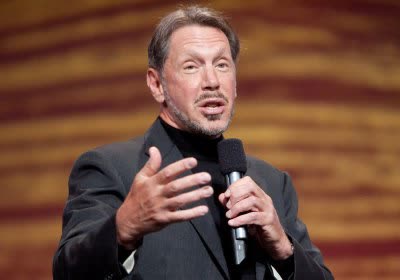
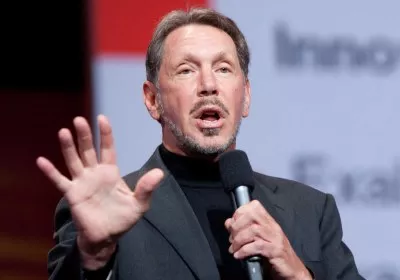
Editor's take: Larry Ellison has spent decades shaping Silicon Valley through Oracle, the software company he co-founded in 1977. Now 81, and with a fortune that recently placed him among the richest people in the world, Ellison is moving in a new direction: media ownership. His investments, alongside those of his son, David, suggest ambitions that extend well beyond the corporate software world he helped define.
The nonprofit could hold a stake worth over $100 billion if OpenAI reaches a $500 billion valuation in private markets
What just happened? Microsoft and OpenAI have reached an agreement to extend their high-profile partnership, resolving months of strained negotiations and clearing the way for the artificial intelligence startup to move forward with its plan to form a for-profit corporation. The non-binding deal represents a potential turning point in one of the most closely watched relationships in the AI sector, though many of the terms have yet to be finalized.
A hot potato: Cisco has announced that it will become the latest tech giant to lay off workers just as its revenue is soaring and AI becomes the most important focus. The move comes a week after CEO Chuck Robbins told an interviewer, "I don't want to get rid of a bunch of people right now."
Cook compares AI to the launch of the Mac, iPhone, and iPad - calls it a make-or-break moment
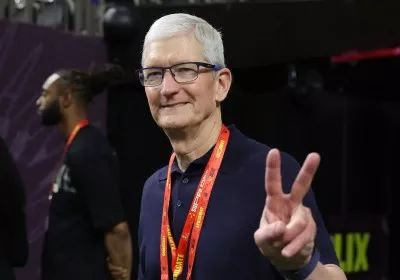
Big quote: In a rare all-hands meeting at Apple's Cupertino headquarters, CEO Tim Cook made it clear to thousands of employees that AI now stands at the forefront of the company's ambitions. Addressing a packed auditorium following a stronger-than-expected earnings report, Cook called the AI transformation "as big or bigger" than the internet, the smartphone, cloud computing, and apps. "Apple must do this. Apple will do this. This is sort of ours to grab," Cook told staff, vowing, "We will make the investment to do it."
Forward-looking: The Trump administration wants the US public to upload personal health data and medical records to a series of apps and systems managed by private health companies and tech giants. The move is supposed to allow easier access to health records across the nation, bringing personal healthcare into the digital age, but there are plenty of concerns about the security of the data and the possibility that it could be exploited.