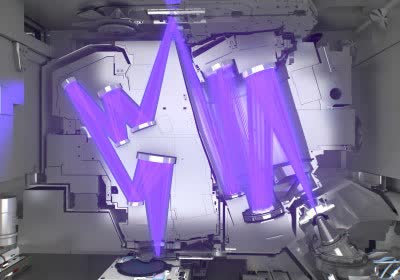
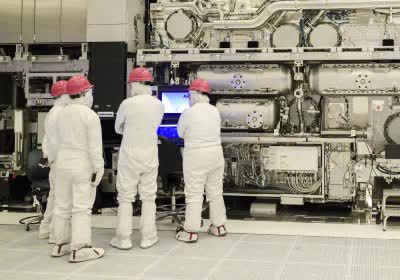
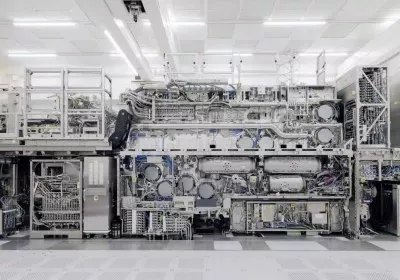
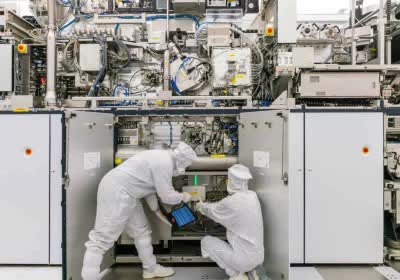
ASML is betting bigger EUV mirrors and stacked transistors will keep chips advancing
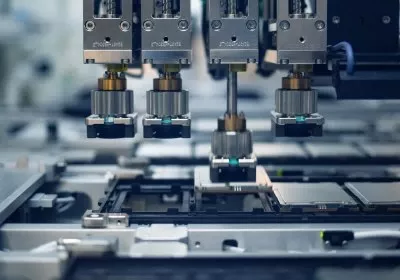
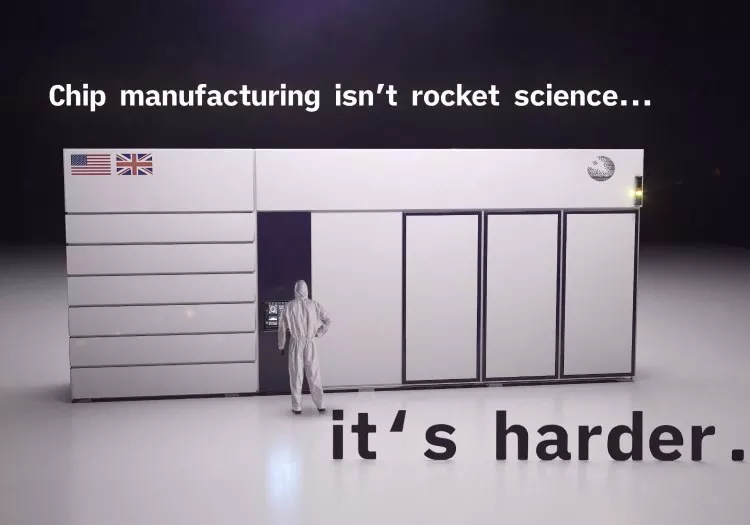
Crystal ball: ASML is the only company that makes the EUV lithography machines needed to produce the world's most advanced chips. Its CEO, Christophe Fouquet, says the AI boom will play out over 10 to 15 years and that we're only seeing the tip of the iceberg. Meeting that demand will depend on better optics, vertical chip designs and a sprawling supplier network that can't be scaled up quickly. That makes ASML's roadmap a useful gauge of how far AI hardware can go, and how fast.
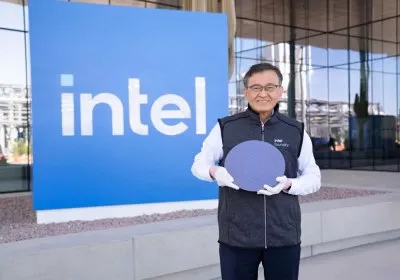
Intel could gain a major foundry customer as Apple looks to reduce its reliance on TSMC
What just happened? President Trump says that Apple has agreed to work with Intel to design and build its chips in America. In a Truth Social post, Trump complained that "Stupid Presidents" had "let Taiwan and others steal our Semiconductor Factories."
Nvidia still dominates, but AI demand is lifting the rest of the chip market
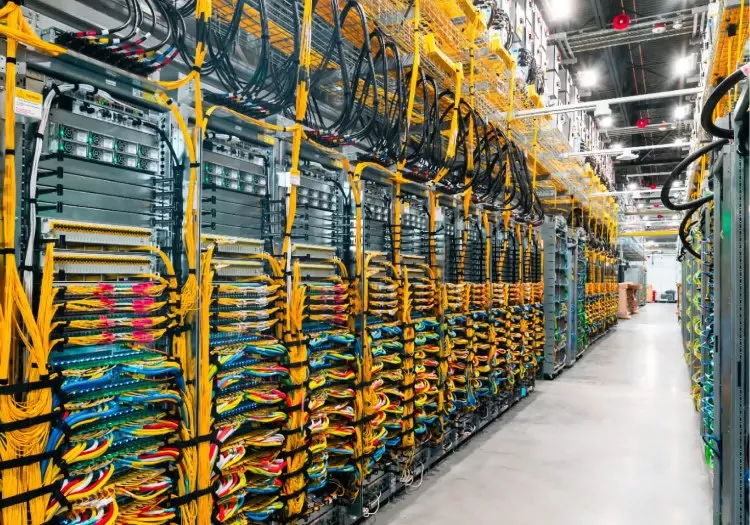
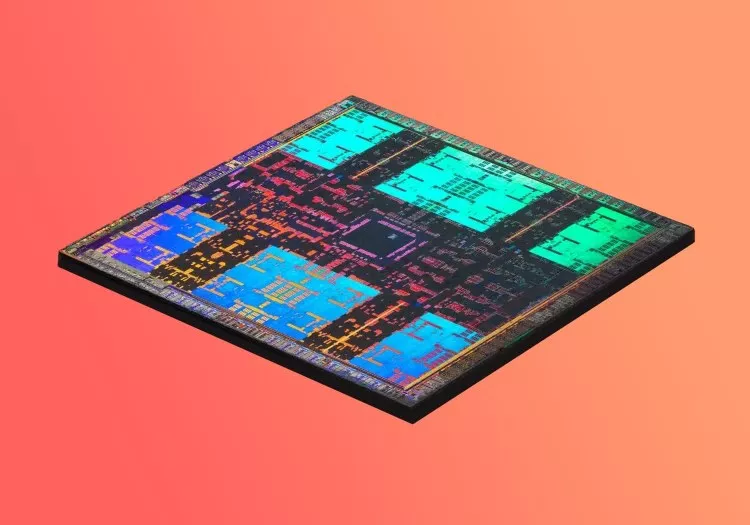
Bottom line: Demand for AI infrastructure has been reshaping how investors value chipmakers, and recent results from key suppliers have strengthened the view that compute-intensive workloads will continue to grow. The effect has been evident with CPU vendors as of late. AMD's stock traded at $278 on Thursday, putting its market value at about $454 billion. Intel's rally from early March pushed the stock toward $68 and lifted its market cap to just under $340 billion. Arm's shares, meanwhile, traded close to $165, valuing the company at roughly $174 billion.
Taiwan's chip dominance has become America's biggest economic vulnerability
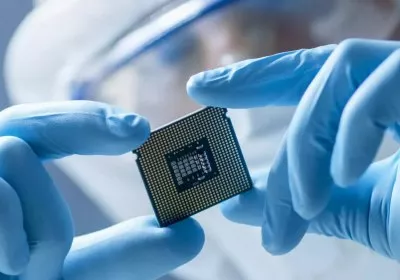
Why it matters: In closed-door briefings in Washington and Silicon Valley, national security officials have been blunt with executives from Apple, AMD, and Qualcomm: China is making plans to retake Taiwan, and even a blockade could choke off the island's chip exports and bring the US tech industry to its knees.
Ripple effect: While critics and PC enthusiasts are cheering for the AI bubble to burst, Big Tech and enterprise ventures cannot buy AI accelerators fast enough. In fact, even one of the world's most important chip manufacturers is now facing significant issues with its ability to meet customer demand.
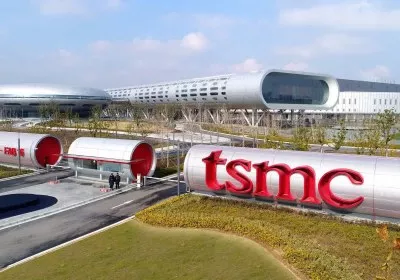
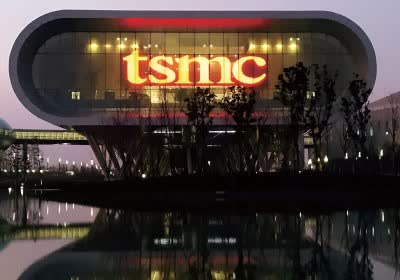
Something to look forward to: TSMC is moving faster than expected to bring its most advanced chip technology to market. The company confirmed that its N2 process node will enter volume production before the end of 2025, as it accelerates both its domestic rollout in Taiwan and a parallel push to deploy the same technology at its Arizona site.