Developer built his own image editor and programming language to save precious bytes
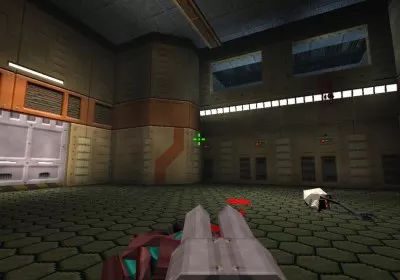
WTF?! While the latest AAA first-person shooters usually require over 100GB of storage space, and even retro-style indie titles consume a gigabyte or two, a solo developer recently released a project that resembles the original Quake but could comfortably fit on an NES cartridge. The creator built most of the development tools himself, including the programming language.
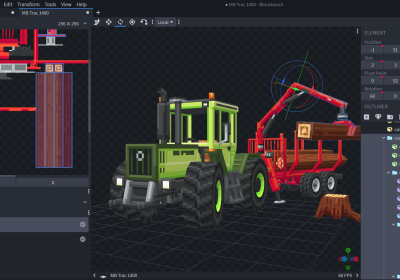
Blockbench is a free 3D modeling tool focused on voxel and low-poly assets, widely used for Minecraft models, game development, and simple animations. It offers a simple interface, real-time previews, and support for multiple export formats, making it useful for game models and basic animations.
Bottom line: Steam's flood of new releases in 2025 underscores an ongoing tension in PC gaming: a thriving ecosystem that also risks overwhelming its own creators. Data aggregated by SteamDB shows that Valve's digital storefront saw 19,112 games launch over the year. Nearly half of them – 9,327 titles – received fewer than 10 user reviews, suggesting they never reached a meaningful audience. For 2,229 games, the review count never rose above zero.
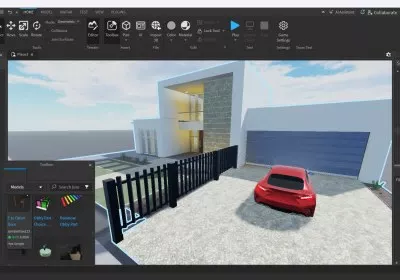
Roblox Studio lets anyone build games using its intuitive editor, drag-and-drop tools, and Lua scripting. With a huge library of built-in assets, templates, and real-time testing make it accessible for creators of all skill levels.
Epic founder says game studios are using Unreal Engine wrong
In a nutshell: Unreal Engine powers some of the world's biggest games, but its reputation has taken a hit as several high-profile releases stumble with performance issues. Epic CEO Tim Sweeney argues the problem isn't the technology itself – it's how developers are using it. His comments cut to the core of an ongoing debate about whether today's development struggles stem from engines, hardware, or studio practices – and how much responsibility Epic should bear in addressing them.
Let's get back to fun: The video game industry has always been unpredictable, but the current trend in triple-A development raises serious concerns about its long-term viability. As costs rise and development processes grow increasingly bloated, many question whether the industry is on the verge of another crash. Recent statements by former Ubisoft creative director Guillaume Broche suggest the situation may be more dire than previously thought.
The big picture: Star Citizen and its single-player component, Squadron 42, have faced repeated delays since Cloud Imperium Games first announced the ambitious space sandbox project nearly 13 years ago. Despite ongoing skepticism and accusations that the company's crowdfunding campaign is a scam, recent years have marked its most financially successful period. While many continue to question whether the games will ever reach version 1.0, others have started to place bets on whether Cloud Imperium will surpass $1 billion in funding first.