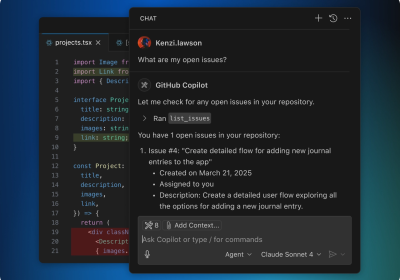
Visual Studio Code 1.104 brings major AI and safety improvements. GitHub Copilot now automatically selects the best AI model for each task, supporting GPT-5, Claude Sonnet 4, and Gemini Pro 2.5.
Visual Studio Code has introduced a revamped tool picker and support for over 128 tools per agent request in MCP. Chat now features GPT-5 integration and checkpoints to restore previous states. Users can now manage multiple Git branches simultaneously, too.
The big picture: If there's one thing that generative AI is supposed to be good at, it's analyzing the written word. However, two studies suggest that this ability may have been overhyped. One study demonstrates that Gen AI struggles with understanding long-form books, while another shows that these models find answering questions about videos challenging. This is something companies should consider as they augment their workforce with Gen AI.
Forward-looking: OpenAI just introduced GPT-4o (GPT-4 Omni or "O" for short). The model is no "smarter" than GPT-4 but still some remarkable innovations set it apart: the ability to process text, visual, and audio data simultaneously, almost no latency between asking and answering, and an unbelievably human-sounding voice.
In context: Most, if not all, large language models censor responses when users ask for things considered dangerous, unethical, or illegal. Good luck getting Bing to tell you how to cook your company's books or crystal meth. Developers block the chatbot from fulfilling these queries, but that hasn't stopped people from figuring out workarounds.
Hackers could deploy the worms in plain text emails or hidden in images
In context: Big Tech continues to recklessly shovel billions of dollars into bringing AI assistants to consumers. Microsoft's Copilot, Google's Bard, Amazon's Alexa, and Meta's Chatbot already have generative AI engines. Apple is one of the few that seems to be taking its time upgrading Siri to an LLM and hopes to compete with an LLM that runs locally rather than in the cloud.