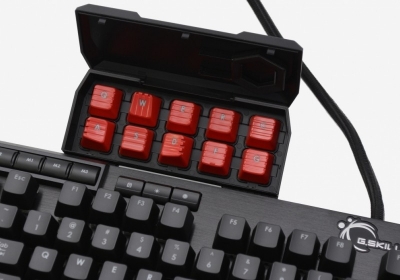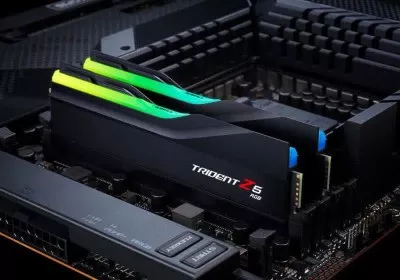
G.Skill starts paying buyers $20 to $25 from $2.4 million settlement over misleading RAM speeds
The company also agreed to warn that advertised speeds require overclocking or BIOS adjustments
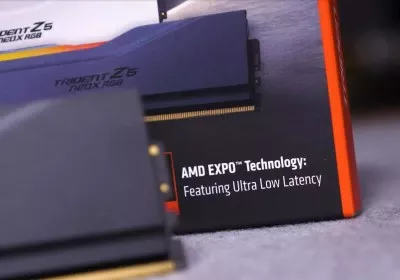
Testing AMD's EXPO Ultra Low Latency Memory
AMD's new EXPO Ultra Low Latency memory promises tighter timings without manual tuning. We tested G.Skill's latest DDR5 kits to see how much faster they make Ryzen gaming.

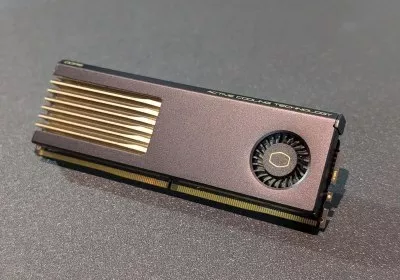
DRAM coolers make a comeback: G.Skill and Cooler Master unveil DDR5 kits with built-in fans
A throwback to when DDR3 memory kits shipped with active cooling
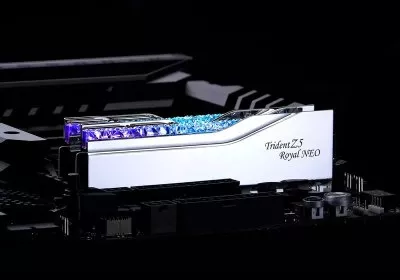
G.Skill settles class action lawsuit over deceptive memory speed claims for $2.4 million
The company denies all allegations of wrongdoing
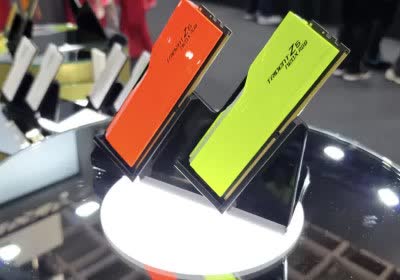
G.Skill unveils blazing 10,934 MT/s DDR5 and ultra-high-capacity 512GB R-DIMM at Computex 2025
Showcased running on flagship Intel and AMD hardware
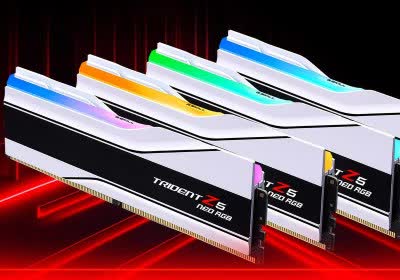
G.Skill unveils world's first 256GB DDR5-6000 CL32 U-DIMM memory kit
It can be overclocked to reach DDR5-7000
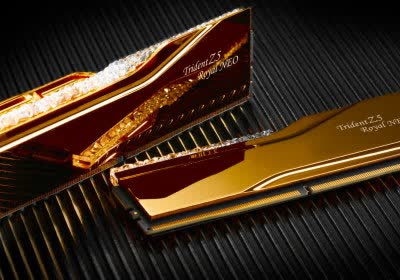
World's first 128GB DDR5 RAM with 8,000 MT/s speeds just happens to come in a luxurious golden body
Gold, silver, gemstones - these G.Skill sticks have it all
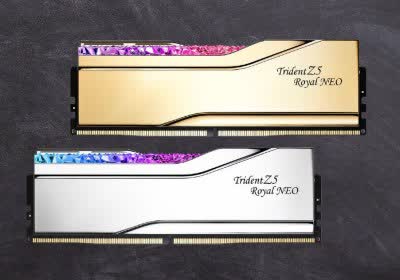
G.Skill unveils new high capacity and low latency memory kits for Intel PCs
No word on pricing but they are unlikely to be cheap
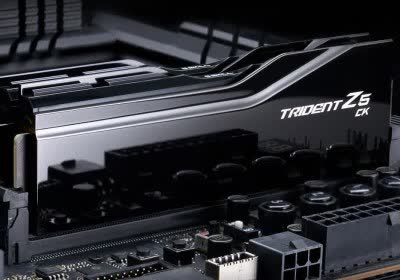
G.Skill's new DDR5-9600 CUDIMM sticks can achieve DDR5-10000 speeds on air cooling
You'll need supported motherboards, of course
What just happened? G.Skill just unleashed its Trident Z5 CK and Trident Z5 CK RGB DDR5 RAM designed specifically for Intel's freshly launched Core Ultra 200 processors and Z890 chipset motherboards. The headliner is that these sleek memory sticks are rated for a blistering DDR5-9600 straight out of the box.
G.Skill unveils ultra high-performance 48GB DDR5-9000 memory kit for AMD gaming PCs
Expect to pay a pretty penny for the new RAM
AMD Ryzen 9 7950X3D Memory Scaling: Does DDR5 Performance Matter?
Pairing fast RAM with a top-end CPU is a logical choice, but what happens when that processor is a Ryzen 9 7950X3D with 128 MB of cache? Let's find out!

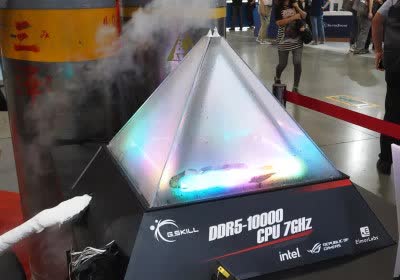
G.Skill unveils DDR5-8000, breaks 10,000 MT/s ceiling on air
The 10,000 MT/s milestone was reached using a single memory module
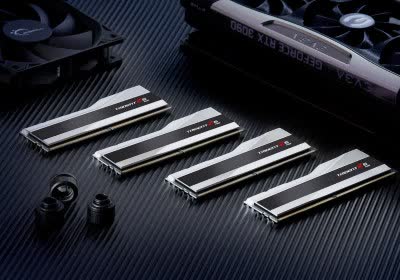
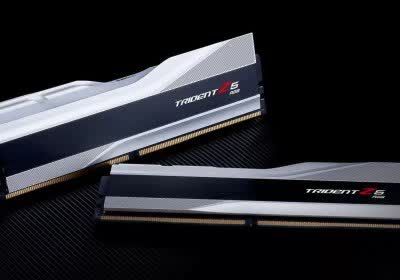
G.Skill launches Trident Z5 DDR5-6400 CL36 kits with Samsung-made memory chips
Expect these to cost a small fortune, like all DDR5 kits
Ryzen 5000 Memory Performance Guide: 2 vs. 4 RAM Sticks
In this article we'll be searching for Zen 3's memory sweet spot and looking at DDR4 memory performance with the new Ryzen 5000 CPU series, and a brief explanation of why 4 RAM sticks are faster than 2.

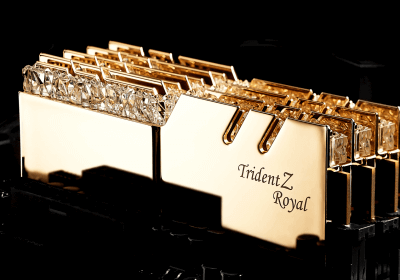
G.Skill introduces the Trident Z Royal Series with crystals and RGB
Please don't make bedazzling components a trend
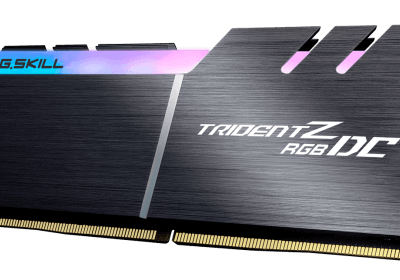
G.Skill is readying 4,800 MHz memory and 32GB DIMMs
Going for maximum speed or high capacity
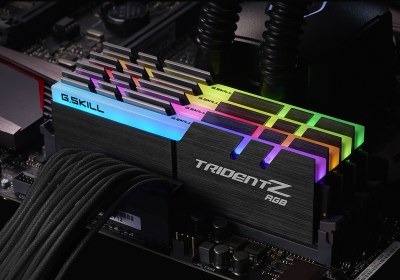
G.Skill breaks the 5GHz barrier with RGB memory using only air cooling
Pushing the boundaries without compromising aesthetics
All About Those MHz: DDR4 at 4000 MT/s, does it make a difference?
For the most part we test using DDR4-3000, as it occasionally shows some benefits over the more typical 2400 and 2666 MHz speeds. Going to 4000 MHz and beyond is a massive increase in frequency (and cost) and I struggled to imagine where this would be useful, particularly when gaming. Then again, curiosity had gotten the better of me...