Ruling leaves Google's search business mostly intact, avoids Chrome and Android breakup
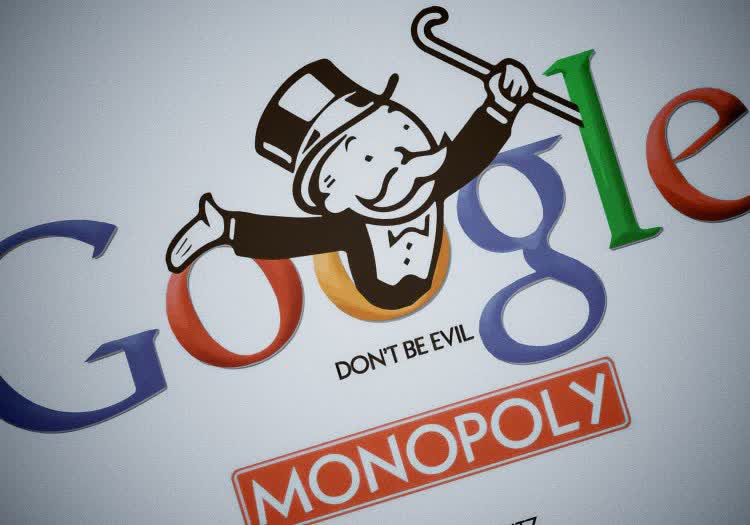
Highly anticipated: In a stunning reversal from last year's monumental court decision, Google has avoided the harshest punishments from its US antitrust case. The company must share some search data with rivals, but it does not have to sell Chrome and can continue paying other firms billions to maintain its search engine's prominence on numerous devices and browsers.
Google denies its search query volume is declining
What just happened? Apple's Eddy Cue testified in court yesterday in the remedies phase of the DoJ's lawsuit against Google parent Alphabet, and he had a lot to say. Cupertino's SVP of services said people "may not need an iPhone 10 years from now," AI could replace traditional search engines, and Apple expects to introduce AI services to Safari in the future. He also said search query volumes on Safari, which uses Google as the default search engine, declined last month, a claim that Google has denied.
"Apple knew exactly what it was doing and at every turn chose the most anticompetitive option"
A hot potato: A federal judge in California has delivered a decisive blow to Apple's longstanding control over its App Store, ordering the tech giant to immediately halt practices that have limited competition and maintained high commissions on app sales. This ruling concludes a five-year legal battle initiated by Epic Games, the creator of Fortnite, which challenged Apple's dominance in the digital app marketplace.
Facepalm: Despite being the world's second-largest search engine, Bing continues to hold a minuscule market share compared to Google. Microsoft is clearly dissatisfied with this disparity and is making every effort to drive even a modest increase in user traffic, even if it borders on being unethical.