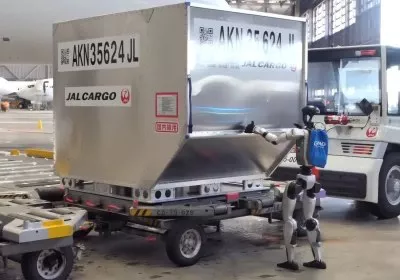
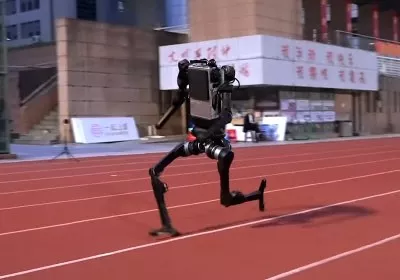
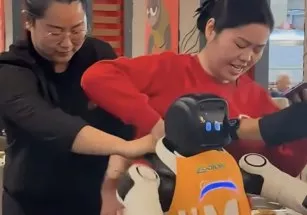
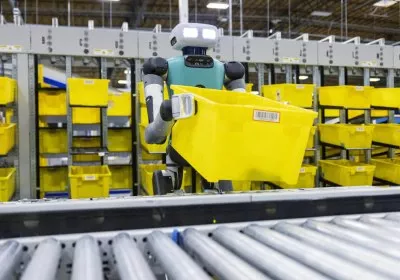
In brief: It's not just the factory floor where humanoid robots are starting to appear next to flesh-and-blood employees. Air travelers in Japan will soon see the machines moving luggage and cargo – a response to the country's labor shortage and booming tourism.
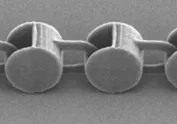
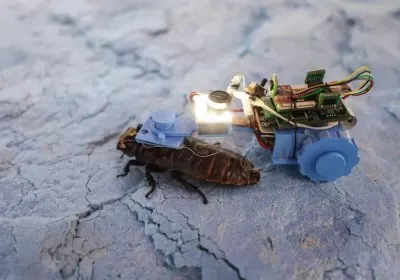
And Yet It Moves: Designing microrobots that combine complex motion with practical size has long forced a tradeoff: devices tend to be either small and rigid or large and flexible. Researchers at Leiden University are now exploring a different path, proposing a nature-inspired design that begins to blur that boundary.
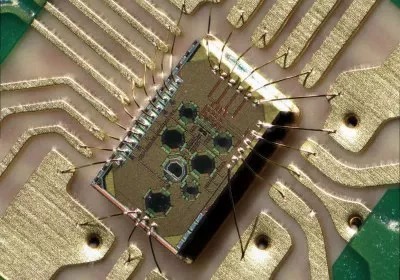
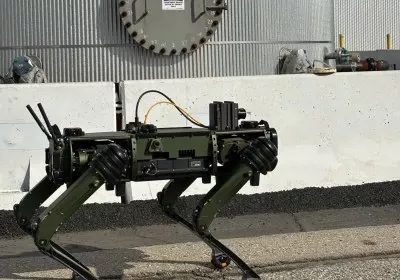
Highly anticipated: A team in Japan has developed a Wi-Fi receiver capable of operating in the extreme radiation inside nuclear reactors, an advance that could help robotics teams safely decommission aging power plants. The receiver, developed at the Institute of Science Tokyo, demonstrated resilience under radiation doses roughly 1,000 times higher than what typical electronics can withstand.
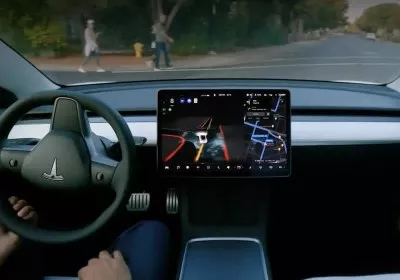
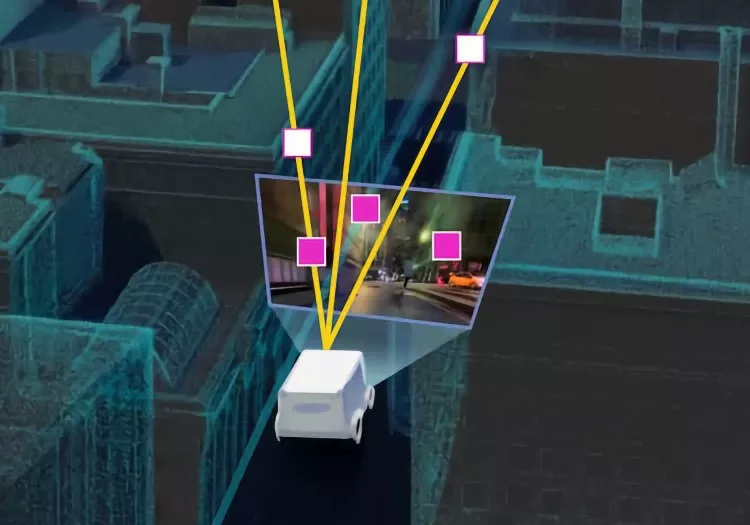
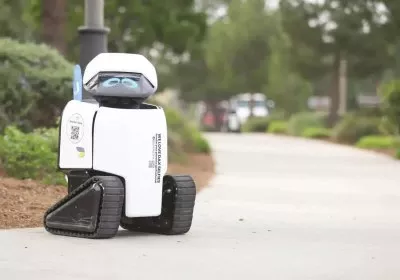
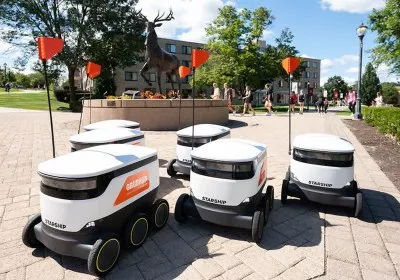
Connecting the dots: Pokémon Go's global AR craze is now steering something far more prosaic than virtual Pikachu: real delivery robots trying to find the right doorway on a crowded city block. The same location data and street-level imagery that once anchored monsters to sidewalks and plazas have been repurposed by Niantic. Coco Robotics is now using that technology to guide its sidewalk bots through dense urban areas where GPS alone is too unreliable to keep them on course.