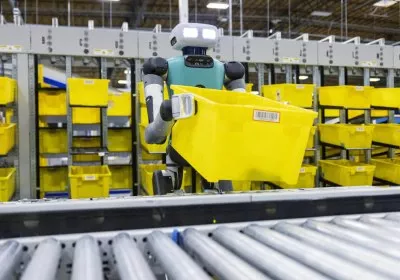
Amazon's idea of reassurance apparently involves more robots
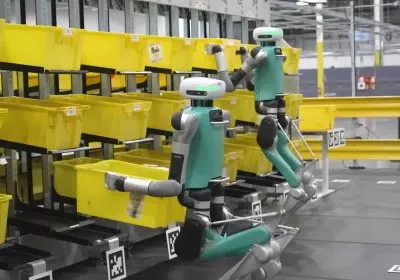
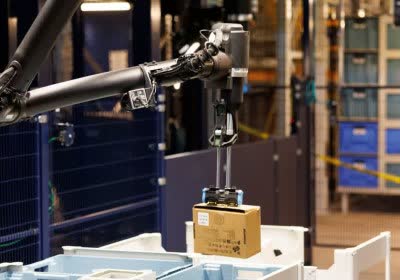
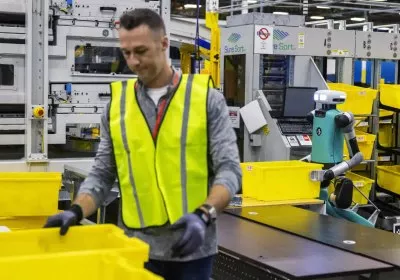
Facepalm: Amazon has responded to reports that the company aims to replace 600,000 US warehouse workers with robots by 2033. Predictably, it's trying to put a positive spin on the news, claiming that the "real headline isn't about robots" but about people. The message comes as part of an announcement revealing two new Amazon systems designed to perform human jobs.
A hot potato: Amazon has spent years introducing new and more sophisticated robots to its warehouses, all while insisting that they won't replace employees or take jobs meant for humans. But a new report citing leaked company documents reveals the tech giant hopes the robots will fill more than 600,000 US positions it would have had to hire for by 2033.
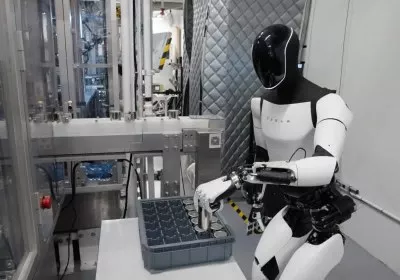
Editor's take: As exciting as generative AI may be, there is another AI-powered technology on the near-term horizon that could prove even more impactful: robotics, or as Nvidia's Jensen Huang and others have begun calling it, physical AI. The concept of physical AI is that many of the same algorithmic principles used to create large language models for text-based interactions can be applied to learning and replicating physical movements in the real world.