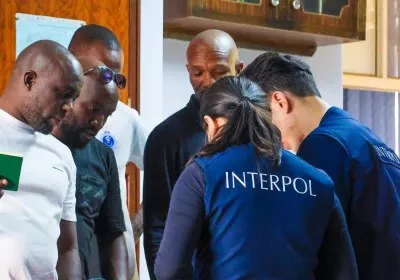
Why it matters: Interpol has wrapped up its biggest anti-fraud sweep of the year, reporting 5,811 arrests and the interception of $293 million in illicit assets across 97 countries and territories. The operation, code-named First Light 2026, ran from January 15 to April 30 and targeted social engineering fraud: the umbrella term for scams that manipulate victims into handing over money or sensitive information voluntarily, covering business email compromise, romance scams, impersonation fraud, investment fraud, and sextortion.
Through the looking glass: Meta launched a new AI image-generation model called Muse Image this week, letting users create, edit, and blend photos using natural language prompts inside Meta AI, with the tool already live on Instagram and WhatsApp and expected on Facebook and Messenger soon. However, the new feature is already raising privacy concerns, as it allows anyone to generate AI images using other people's Instagram photos.
The big picture: People have grumbled about Windows telemetry for years, to the point that an entire cottage industry of tools that clean up the OS now exists just to strip the tracking bits out. While there are privacy concerns with the feature, in this particular case, it led to federal agents dropping a hacker into a Chicago courtroom.
WinRAR 7.23 fixes two security vulnerabilities, updates its bundled 7-Zip extraction library, and makes a few command-line tweaks. The release notes also include a playful nod to the archiver's legendary "infinite" trial, thanking users who supposedly finally bought the software. It's mostly a joke-but the security patches alone make this update worth installing.
Illinois cops just recovered $2.3 million worth of AI data center equipment
Ripple effect: The AI boom may be hurting consumers, white-collar workers, and rural residents living near data centers, but it's opened up "new opportunities" for cargo thieves. Criminals are reportedly cashing in on the data center construction boom by stealing millions of dollars' worth of server hardware, cables, and other high-value tech equipment.
Several communities have canceled contracts over government overreach fears
In a nutshell: Cities are collecting vast amounts of vehicle data through AI-powered camera networks, giving police the ability to track a car's movements across jurisdictions in seconds. The same systems are also fueling a growing debate over how much surveillance is too much.