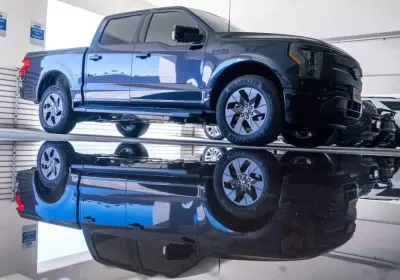
The Lightning faces sluggish sales, steep losses, and a shifting EV market
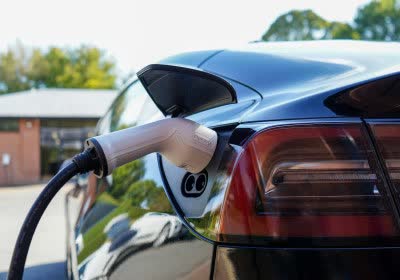
Rumor mill: If Ford cancels the Lightning, it would mark the first major exit of a mainstream electric truck from the US market. For an industry that once viewed battery pickups as the most straightforward path to electrified profitability, the reversal underscores a deeper reality: heavy vehicles remain the toughest test case for the EV revolution.
The big picture: With federal incentives ended, EV automakers are monitoring demand, recalibrating production, and weighing further adjustments amid shifting policies and renewed global competition. At the same time, newly forged trade agreements and planned industry investment suggest that some of the current downsizing may be reversed as markets adjust and manufacturers launch new models.
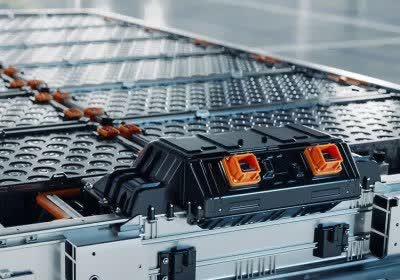
Batteries were the selling point – now they're the liability
In context: Industry analysts expect 2026 to mark a year of recalibration for the electric vehicle market as both supply and demand adjust. For now, however, it remains in flux – its promise of cleaner transportation tempered by the hard economics of depreciation.
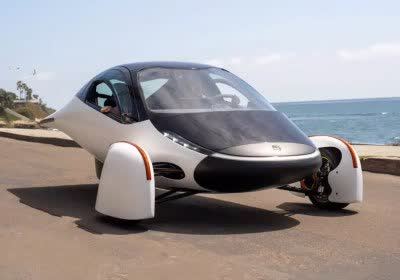
Software and electric power redefine what a flying car can be
Bottom line: For now, eVTOLs remain niche products – technological curiosities that combine drone automation, recreational aviation, and the promise of personal air mobility. Their development illustrates how digital flight control has simplified piloting, while underscoring how far regulations must evolve before such aircraft can become a practical alternative to driving.
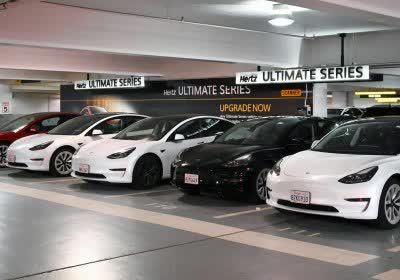
The expiration of the $7,500 EV tax credit helped spark record sales that reshaped September's pricing landscape
Bottom line: Five years ago, the average new vehicle cost roughly $40,000. The current average of over $50,000 illustrates the rapid escalation of prices and the transformation of what constitutes a "typical" new car purchase in the US. For many Americans, the new car market has shifted decisively toward affluent buyers and technologically advanced vehicles, with economic pressures and regulatory changes redefining both supply and demand.