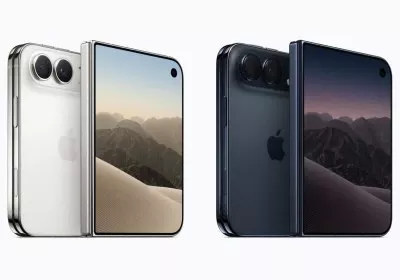
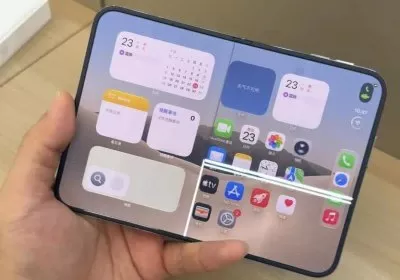
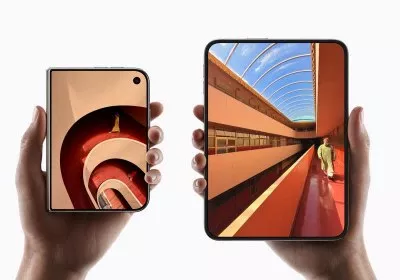
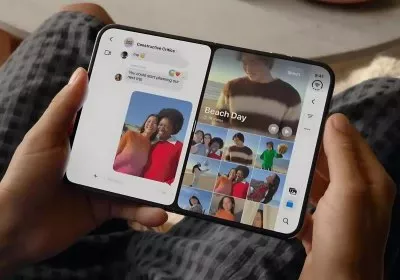
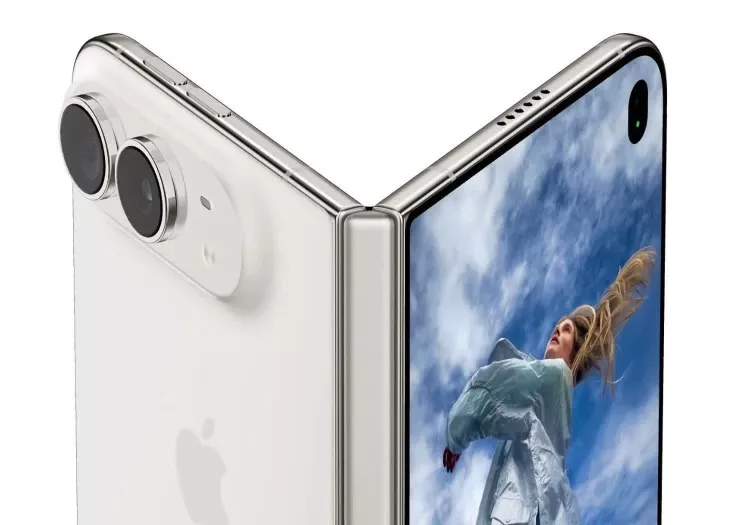
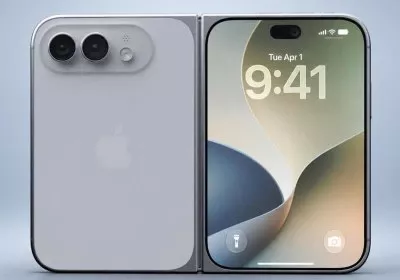
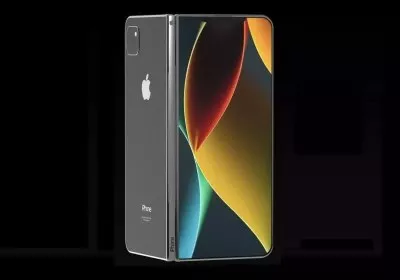
Apple's long-awaited foldable is off to a strong start. Reviewers agree that the iPhone Duo gets much of the hardware right, with a polished design and an impressive folding display. But for $2,000, it remains a first-gen product with compromises, and one that will struggle to convince most iPhone users to make the jump.
Bottom line: After years of rumors and speculation, Apple's first foldable iPhone is expected to go on sale next month, but getting enough of them into customers' hands could prove the harder part. Foxconn, the contract manufacturer responsible for producing the device, is reportedly facing severe production constraints that could limit early output, raising the prospect of tight supply for what is now Apple's most expensive iPhone.
Touch ID returns on a flagship iPhone after nearly a decade
First look: Following years of fervent speculation, Apple finally unveiled its first folding phone, the iPhone Duo, at its 'Surprise and Shine' event in Cupertino, California. The company is betting big on its first foldable, with new CEO John Ternus calling it "the most transformational change to iPhone since the original."
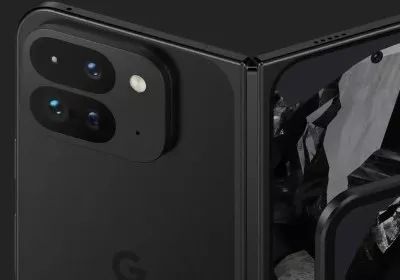
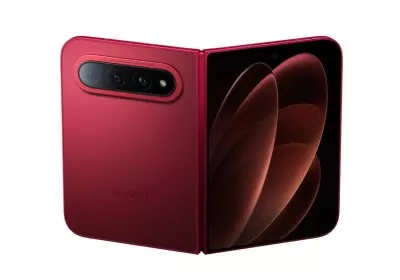
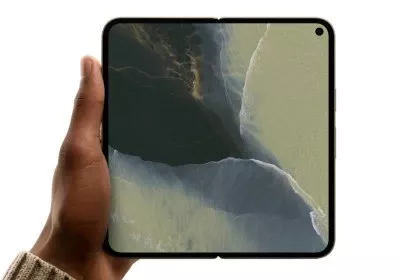
The Pixel 11 Pro Fold is lighter and slimmer, with new AI and multitasking features and IP68 protection. Reviewers say it's a solid device but overly conservative, with average battery life, weak SoC performance, a noticeable crease, and a high price.
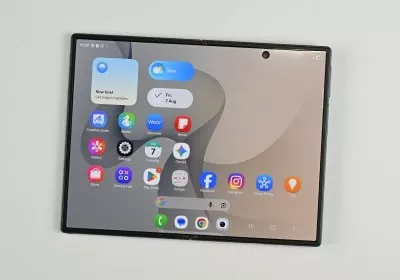
The new Galaxy Z Fold 8 is drawing early praise for ditching the tall, narrow foldable formula in favor of a shorter, wider "passport" shape that is easier to use one-handed when closed, and better suited to video watching when open. At 201g, Samsung says it's also the lightest Fold model yet.
What we know so far: Samsung has announced a new display technology for foldable devices designed to balance strength, flexibility, and slimness. Dubbed Flex Titanium for its use of two titanium-based components, it is set to debut in the next generation of Galaxy foldable devices that'll be announced on July 22.