Will Nano Banana do for Google what Ghibli images did for GPT?
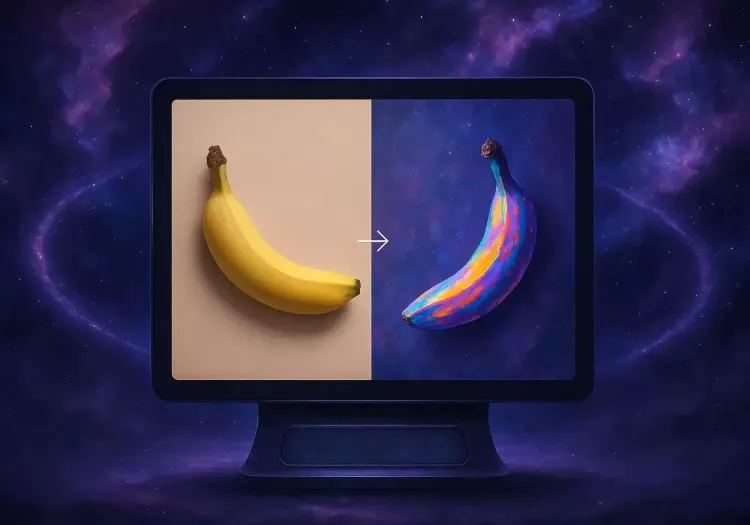
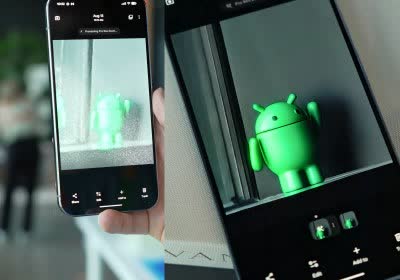
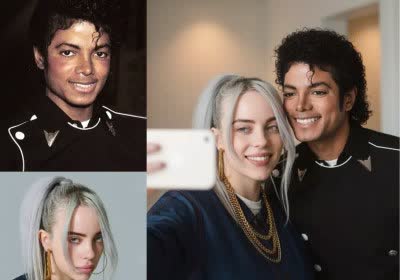
What just happened? Google has just unveiled a major upgrade to Gemini AI's image generation capabilities. Gemini 2.5 Flash, a.k.a. "nano banana" has already ranked as the world's top image editor on the LMArena leaderboard and it's earning rave reviews from users. Nano Banana is designed to solve one of AI's biggest frustrations: consistency. By enabling precise edits, multi-turn tweaking, and seamless style mixing, Google isn't just chasing technical polish – it's gunning for its own breakout cultural moment, the kind of mass adoption that Studio Ghibli – style generations once delivered for GPT.
Artificial idiocy keeps on improving things... for cybercriminals
AI first, security later: As GenAI tools make their way into mainstream apps and workflows, serious concerns are mounting about their real-world safety. Far from boosting productivity, these systems are increasingly being exploited – benefiting cybercriminals and cost-cutting executives far more than end users. Researchers this week uncovered how Google's Gemini model used in Gmail can be subverted in an incredibly simple way, making phishing campaigns easier than ever.
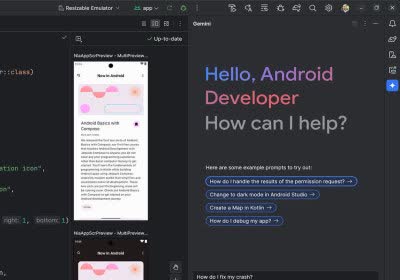
The latest Android Studio update adds Gemini AI and introduces Studio Labs for testing experimental AI tools. It also debuts Android Studio Cloud, allowing developers to launch browser-based workspaces and code from anywhere.
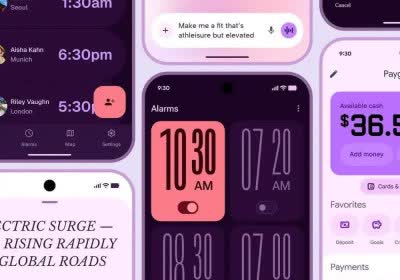
In brief: A future in which generative AIs write emails back and forth to each other on our behalf has moved a little closer. Google is improving Gemini's smart replies, making them not only longer, but also more personalized by analyzing your previous emails and Drive files.