Editor's take: As Microsoft builds Copilot AI deeper into Windows, the move is rekindling debate over how much control any one company should exercise over the computing environment that so many people rely on. For Mozilla, that question has become a renewed challenge to Microsoft's dominance over the desktop and its implications for competition.
The big picture: European governments have long sought to reduce their dependency on non-European (i.e., American) software. While individual municipalities and government sectors have recently begun switching to homegrown options, France's latest announcement signals a broader shift away from tools such as Windows, Microsoft Office, Zoom, and Google Docs.
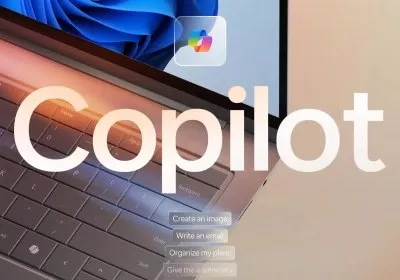
The big picture: Thanks to Microsoft's massive promotional campaigns around everything Copilot, most people are now aware that the product is integrated into Windows, Office, and virtually everywhere else. However, many are probably unaware of the full extent of that integration.
First look: Microsoft plans to build 100% native apps for Windows 11 and launch an initiative centered on a new team focused on native experiences instead of web-based wrappers. The company has also created a new team to lead the work, following years in which many core and third-party Windows apps have relied heavily on web technologies.
Microsoft outlines a Windows overhaul focused on speed, stability, and user control
Highly anticipated: Microsoft is taking a closer look at Windows 11 after months of criticism over the operating system's uneven performance and intrusive AI features. The company has begun outlining a series of engineering fixes and user experience overhauls aimed at rebuilding confidence in its flagship product, with the first phase arriving in preview builds this spring and broader improvements planned throughout 2026.