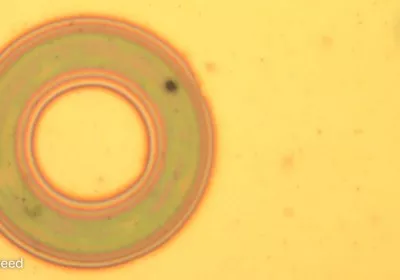
Solvent-free electrodes promise smaller factories and lower costs
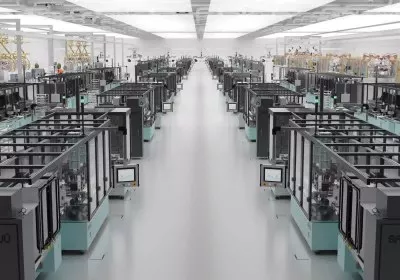
Why it matters: High-efficiency battery factories, not faster cars, are emerging as the real test of who wins the next phase of the EV race. The companies that can strip energy use, floor space, and solvents out of cell production are beginning to show how electric vehicles could finally hit mass-market price points without sacrificing range or performance.
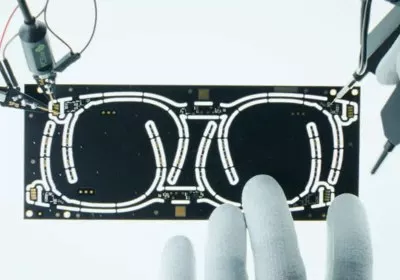
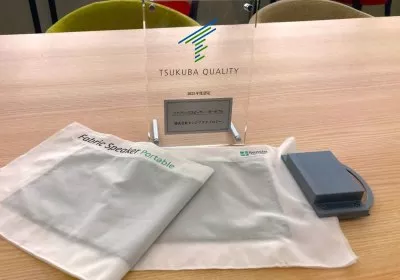
Forward-looking: What started as a curiosity at CES 2025 has quietly matured into one of the show's most convincing sustainability narratives a year later. Flint, the Singapore-based startup developing a fully cellulose-based paper battery, is now in production and gearing up to supply its renewable power cells to major electronics partners, including Logitech, Amazon, and Apple accessory maker Nimble.
New research ties strategy games like StarCraft II to more efficient neural networks
Connecting the dots: Far from being a mindless escape, video games help the brain process information more efficiently and adapt more readily to complex tasks, according to a growing body of research. The emerging evidence suggests that the type of game and how it taxes the brain's systems are key to whether playing strengthens cognition – or simply consumes time.
It marks a shift from physics-based models to data-trained AI systems
Connecting the dots: Weather forecasts are about to get faster, cheaper, and more AI-powered in the US. NOAA has put a new generation of machine learning weather models into live operation, promising more accurate predictions while using a fraction of the computing power of today's systems. It's a major shift in how the country prepares for storms, heat waves, and other extreme weather.
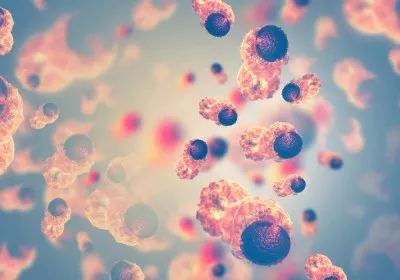
Natural cancer treatment with no ill effects on healthy tissue
What we know so far: Scientists have uncovered a naturally occurring gut bacterium from common tree frogs that can completely eradicate cancerous tumors in lab animals. The organism even outperforms some existing therapies. The discovery has the potential to revolutionize cancer treatment, but the research needs more work.