New Chrome beta brings advanced 3D graphics to the web with WebGPU
The WebGPU API is a "new dawn" for web graphics and GPU-based computation
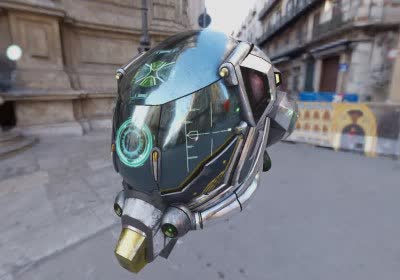

The latest and biggest 3D games often seem to have a problem with stuttering. Ask around and finger of blame often points to shader compilation. But why, and what can be done about it?

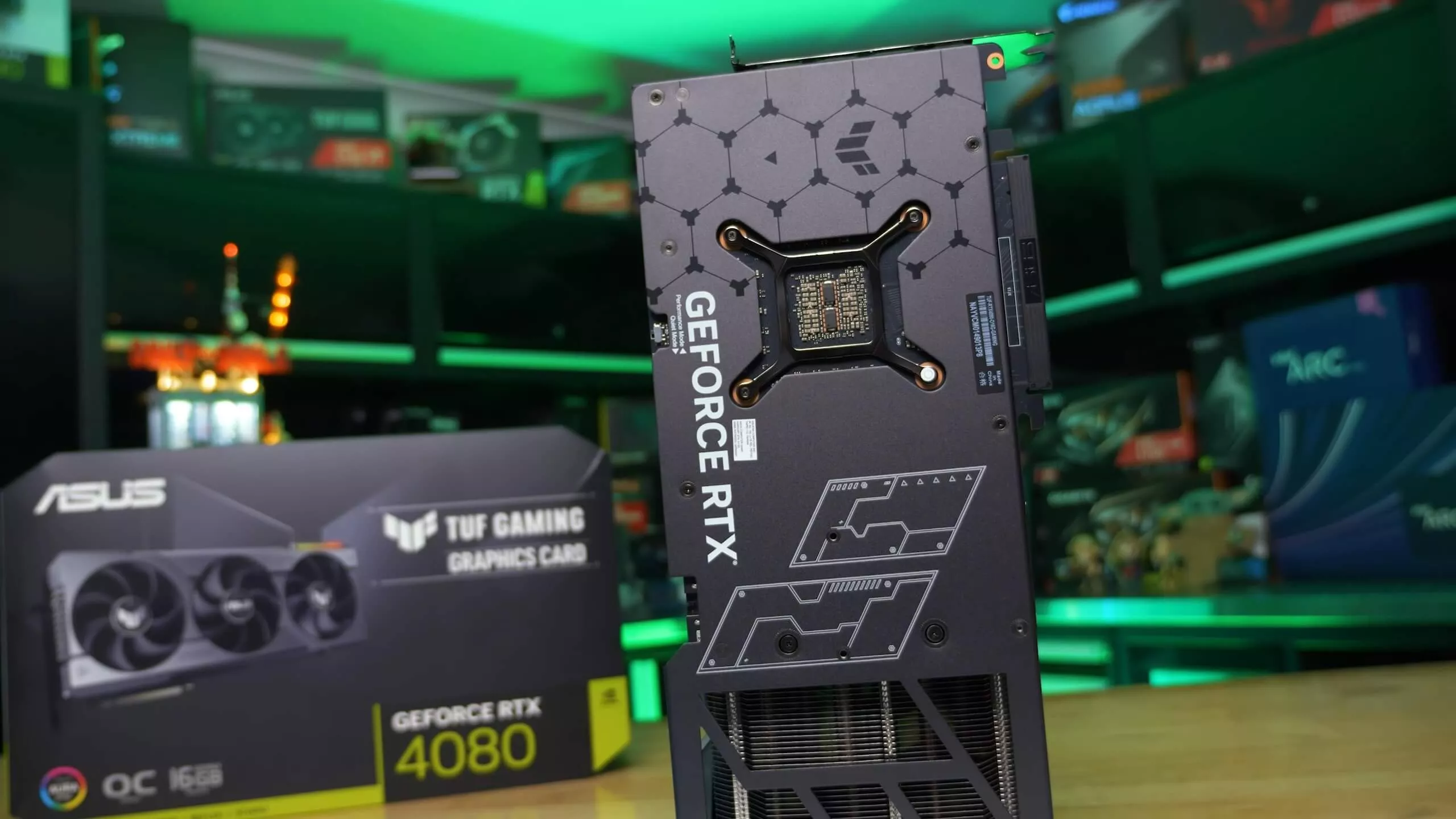
The new GeForce RTX 4080 is clearly impressive, delivering on average 111 fps at 4K across the games we tested. That's 20-30% over previous-gen flagships. That's all great except for that price.
#ThrowbackThursday At its peak in the 1990s, Silicon Graphics had legendary status among 3D and graphic designers who leveraged the unique power of these workstations that were at cutting edge of visual computing.

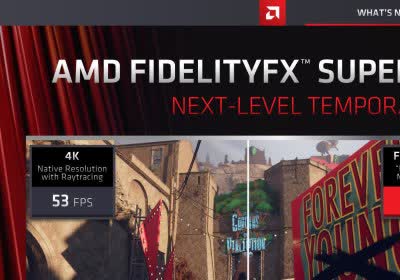
A deep dive into Intel's XeSS technology to see whether it's worth using on Nvidia and AMD hardware and how it competes against Nvidia's DLSS and AMD's FSR.

Nvidia is making some pretty bold claims around DLSS 3, like the ability to 3x-4x performance with RTX 40 GPUs. Let's explore this new technology and see if it's a true next-gen selling point.

This is our first look at Nvidia's new flagship GeForce RTX 4090 graphics card. We'll find out all you need to know about this next-gen GPU, most importantly its gaming performance.

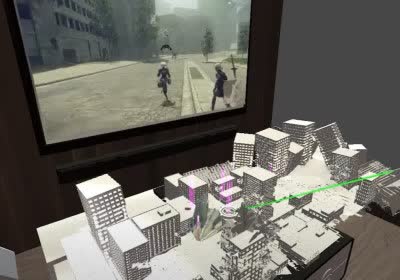
With CPUs and GPUs continuing to get more powerful with each new generation, the push for ever more realistic graphics in blockbuster games shows no signs of slowing down. Today's best-looking titles already look stunning, so how much better can they possibly get? Join us as we take a look at what awaits us in the future of 3D graphics.


Not to be confused with DLSS, Nvidia's DLDSR (Deep Learning Dynamic Super Resolution) is a method of supersampling that renders supported games at a higher resolution than your monitor's native resolution.
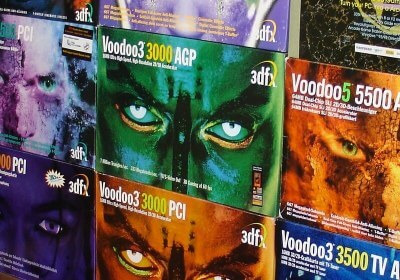

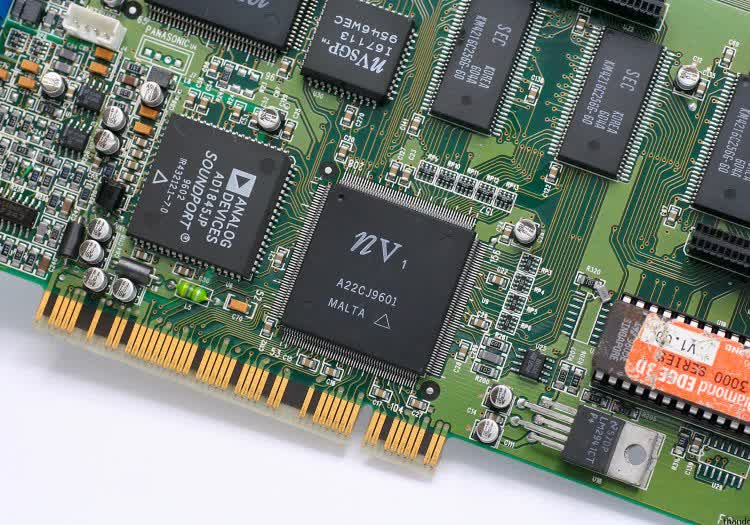
#ThrowBackThursday Nvidia is a dominant force in computer graphics but there was a lot of work involved in getting to that level since the NV1 debuted in 1995. Lesson learned as the chips that followed included some surefire hits.

There's plenty of graphics history and technology to unpack here after AMD purchased ATI, it didn't just absorb the company, but continued its reputation of being a graphics powerhouse for years to come.