Extreme upscaling: What happens when DLSS turns 38x22 pixels into 4K?
Pushing DLSS 4.5 to absurd extremes reveals how it rebuilds images


How well does AMD's FSR 4 upscaling perform compared to Nvidia's latest DLSS 4.5? Is AMD still relatively close to Nvidia in image quality, or has FSR fallen further behind? Let's find out.

Nvidia DLSS 4.5 arrives with a new transformer model promising better image quality, but not without performance trade-offs. We test DLSS 4.5 vs DLSS 4 to see where this latest upscaler genuinely improves.

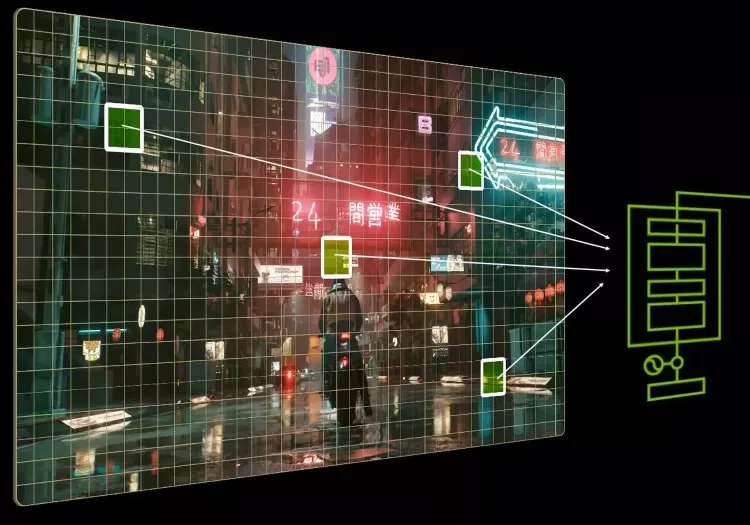
AMD's next big move could bring FSR 4 to older GPUs. We test the leaked INT8 build to see how it performs on RDNA 2 and RDNA 3, and whether it can match the image quality of full FSR 4.

Borderlands 4 demands far more from your hardware than its visuals justify. Our guide breaks down settings to help you boost FPS and smooth out performance issues.




PC monitors for work and creativity now boast bigger screens, sharper resolutions, and more ports at better prices. Here are the best, from budget gems to 4K giants.

Is DLSS 4 Quality mode still the best choice? We put all three presets to the test at 4K, 1440p, and 1080p to see how Balanced and Performance modes stack up. The results may surprise you.