The takeaway: The PC piracy scene appears to have reached a milestone many once thought unlikely: Denuvo, long regarded as one of the most formidable DRM and anti-tamper systems in gaming, has effectively been defeated. With hypervisor bypasses emerging as the latest breakthrough, there is now no known PC game protected by Denuvo that cannot be obtained for free through either a crack or a functional bypass.
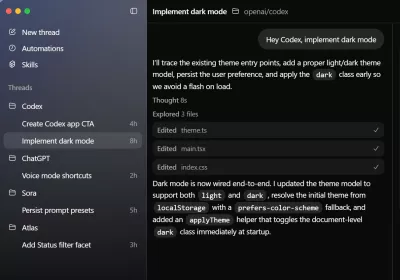
OpenAI Codex is a coding agent powered by ChatGPT that helps developers build, test, and ship software. It can run tasks in parallel, generate and review code changes, and automate repeatable workflows, while working with existing tools and secure sandboxed environments.
Java 26 is here with fresh language features, faster performance, stronger security, and a wave of library and tooling upgrades. Early developer reaction has been upbeat, with many praising Java's steady pace of meaningful improvements.
Jarvis might approve, but many remain opposed to AI
A hot potato: It's another day, another executive singing the praises of AI and suggesting more people embrace the technology. This time, it's Google Cloud's gaming boss, who boldly compared AI to the Iron Man suit in that it allows people to do things they previously couldn't – like giving them more time to look for a new job, presumably.
Bottom line: Steam's flood of new releases in 2025 underscores an ongoing tension in PC gaming: a thriving ecosystem that also risks overwhelming its own creators. Data aggregated by SteamDB shows that Valve's digital storefront saw 19,112 games launch over the year. Nearly half of them – 9,327 titles – received fewer than 10 user reviews, suggesting they never reached a meaningful audience. For 2,229 games, the review count never rose above zero.