Facepalm: Console enthusiasts recently discovered another form of DRM policy reportedly implemented by Sony in games purchased on PlayStation systems. However, users are still debating how serious the policy is for long-term game ownership. AI-generated support messages and Sony's reluctance to directly address the issue have only added to the confusion.
The takeaway: The PC piracy scene appears to have reached a milestone many once thought unlikely: Denuvo, long regarded as one of the most formidable DRM and anti-tamper systems in gaming, has effectively been defeated. With hypervisor bypasses emerging as the latest breakthrough, there is now no known PC game protected by Denuvo that cannot be obtained for free through either a crack or a functional bypass.
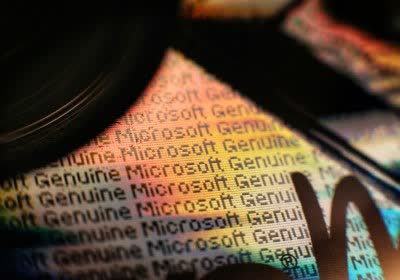
In context: Piracy has been a part of Windows history from the very beginning. Microsoft began taking the issue seriously with Windows XP, and Dave Plummer has now revealed that the first unauthorized copies of the operating system were actually the result of an internal information leak.
Recap: GOG recently launched Freedomtobuy.games, a new initiative designed to fight censorship attempts against NSFW-themed games. For 48 hours, the CD Projekt subsidiary game offered users the ability to reclaim 13 games at risk of disappearing – for free. The giveaway has now ended, and downloads were so massive that the company struggled to maintain platform stability.
CD burning was threatening Steam's entire business model
Burned: Valve's founding chief marketing officer, Monica Harrington, recently shared her account of how the company became the leading provider of digital PC games. Harrington pushed for stricter authentication measures after discovering how young players were more than willing to pirate their games.