Linux 7.0 is officially taking shape with the release of the first release candidate. The new kernel lays the groundwork for upcoming distros like Ubuntu 26.04 LTS and Fedora 44, while delivering broad hardware enablement for Intel's next-gen CPUs, AMD Zen 6 and new GPUs, and expanding support for Qualcomm Snapdragon platforms. Beyond hardware, Linux 7.0 brings meaningful file system and performance improvements, continued Rust integration, and a long list of under-the-hood optimizations.
ParrotOS is a compelling Linux alternative for users who want strong security features without the bloat. Version 7.0 is a significant upgrade, bringing a reworked backend, a modern KDE Plasma 6 desktop, and a refreshed Echo theme, while keeping the system lean and responsive.
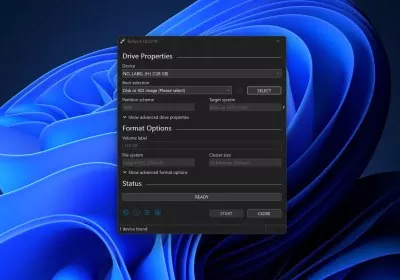
Rufus remains one of the easiest and most reliable ways to create bootable USB drives. The tool now does a better job cleaning up partitions before formatting, improves SSD detection with long IDs, and includes several important bug fixes. Longtime users continue to praise Rufus for being fast and lightweight.
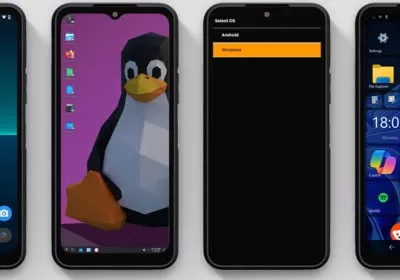
Back from the Dead: Microsoft's Windows Phone project has long been dead, yet interest in a PC-like operating system on mobile devices appears to persist. Los Angeles – based Nex Computer is betting that enough demand exists to build a new business around this niche setup.
One developer is taking on Linux's most stubborn compatibility problem
Forward-looking: Linux powers the vast majority of the world's computing infrastructure, yet it has long struggled to gain traction with everyday users – and with creative professionals, where macOS often holds an edge over Windows. That could change in the near future if one developer's work is accepted into Wine's codebase.
Wine 11, the latest release of the Windows compatibility layer for Linux, introduces NTSYNC support and completes the new WoW64 architecture, delivering notable performance and compatibility improvements across Vulkan, Direct3D, and system integration.
Ripple effect: Linus Torvalds, the creator of Linux and Git, has quietly joined the ranks of developers using generative AI to write code – though only as part of a small personal project. His recent experiment with vibe coding shows how even the most traditional programmers are beginning to incorporate AI tools into their workflows, at least for low-stakes development.
Tiny Core Linux is one of the smallest and fastest Linux distributions, with a base image of just 24 MB. It boots quickly, runs entirely in RAM, and includes only the essentials, letting users add features through modular extensions. Like Tiny11 on Windows, Tiny Core Linux embraces an "only what you need" philosophy.
Bazzite is a Fedora-based Linux distribution tuned for gaming on both desktop PCs and handheld devices. It offers a preconfigured, ready-to-play environment with Steam pre-installed, but also handles non-Steam titles through Lutris and other launchers, integrating games from Epic, GOG, EA App, and more.
Is 2026 the year Linux breaks through for PC gaming?
Game On: Compatibility between gaming applications and Linux operating systems keeps improving. According to recent statistics, most players can now expect to run the majority of their gaming sessions on an open source operating system. Only a few stubborn exceptions are still resisting this new reality.
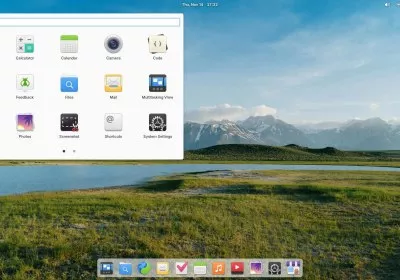
elementary OS is based on Ubuntu LTS and offers a sleek, beginner-friendly Linux experience. Its signature is designed with simplicity and consistency in mind. Unlike many Linux setups that emphasize extensive customization, Elementary focuses on providing a curated and cohesive user experience that bears a strong resemblance to macOS (in a good way).
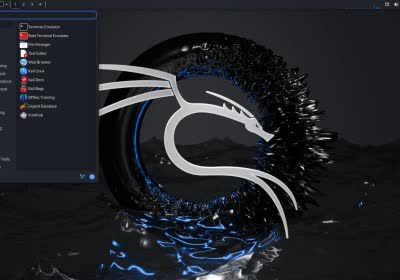
Kali Linux 2025.3 introduces ten new tools, including AI-assisted scanning and car hacking utilities. It also restores Nexmon support for monitor mode and packet injection on Broadcom/Cypress Wi-Fi chips, including the Raspberry Pi 5. The update refreshes VM build scripts with HashiCorp tooling, while Kali NetHunter gains wireless injection, and more.