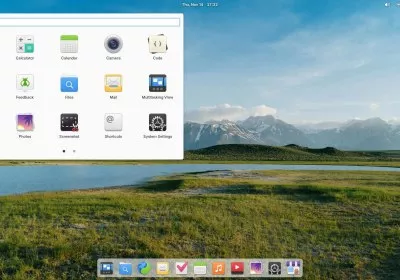
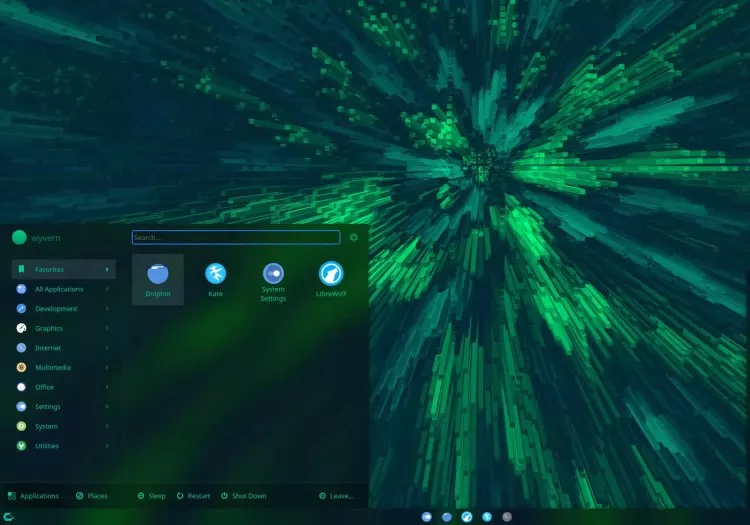
elementary OS is a polished Linux distribution built on Ubuntu LTS that emphasizes thoughtful design, simplicity, and a distraction-free desktop experience. Version 8.1 makes the Wayland-based Secure Session the default, improving security, touchpad gestures, and display handling. The update also introduces multitasking enhancements, refinements to the software store, improved hardware compatibility, and more.
Discord is now more Linux friendly than ever before, having rolled out major improvements for the OS, including official packages for Fedora and Arch distros. A new self-updater brings Linux closer to the Windows experience, and better support for the Steam Deck. The update also adds hardware video acceleration for AMD, Intel, and Nvidia GPUs.
Another massive support headache for the Linux world
Facepalm: The open-source community is once again facing a major security incident tied to an "unprecedented" vulnerability. The new flaw could give attackers a reliable way to escalate user privileges, and no patch is available yet. Fortunately, the mitigation process is relatively straightforward. Still, kernel developers are already growing frustrated with the seemingly endless stream of critical bugs.
Bazzite 44 is a big one. Built on Fedora 44, this gaming-focused Linux distro lands with KDE Plasma 6.6 and Gnome 50, the OGC kernel 6.19, and Mesa 26.0.5 for better GPU support across Vulkan and OpenGL titles. The release also strengthens security with signed ISOs and updates bundled tools.
Affects virtually every Linux distro released in the past nine years, and working exploits were on GitHub within 24 hours
Facepalm: Security researchers recently unveiled "Copy Fail," a bug that could potentially bring the entire Linux ecosystem to a screeching halt. The flaw can be reliably exploited across all Linux-based systems, both on local machines and in cloud environments. Vendors are now scrambling to patch the issue.
The big picture: European governments have long sought to reduce their dependency on non-European (i.e., American) software. While individual municipalities and government sectors have recently begun switching to homegrown options, France's latest announcement signals a broader shift away from tools such as Windows, Microsoft Office, Zoom, and Google Docs.
Proton-powered Linux setup delivers higher FPS in several demanding games, though results vary
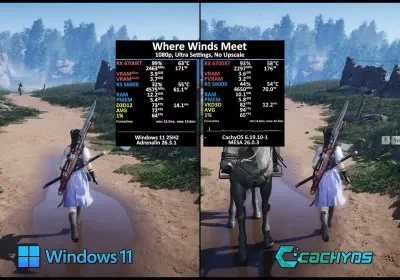
Looking ahead: For years, Linux gaming has lived in the shadow of Windows. But recent benchmarks suggest that balance may be shifting. In a comparison spanning more than 10 blockbuster titles, the Arch-based Linux distribution CachyOS frequently outperformed Windows, even in games without native Linux support.
CachyOS is a performance-driven Arch Linux-based distribution that's been grabbing attention lately as more gamers and power users highlight its speed and polished out-of-the-box experience. As Linux gaming continues to gain momentum and become a bigger talking point, CachyOS is increasingly being mentioned as a go-to choice for users who want cutting-edge software without sacrificing responsiveness or control.
Kali Linux 2026.1 lands with a fresh look, a Linux 6.18 kernel, and a batch of new pentesting tools – but the standout is a nostalgic BackTrack mode that recreates the classic desktop for longtime users. It's a relatively light release, yet one that blends practical updates with a throwback twist security pros seem to appreciate.