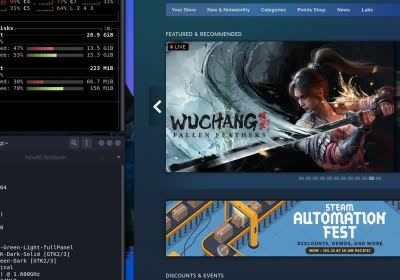
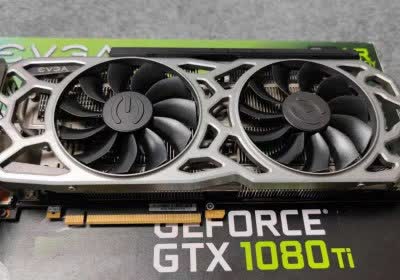
What just happened? Here's a clear indication that the supply and pricing problems which have plagued Nvidia's RTX 5000 series are easing: the cards experienced a large uptick in user share in the latest Steam survey. However, there's still no sign of AMD's 9000-series in the main GPU chart, where the RX 7600 XT has only just appeared. Elsewhere, we've got a new most-popular card among participants, and AMD processors have passed a milestone.
Raspberry Pi Imager is the quick and easy way to install Raspberry Pi OS and other operating systems to a microSD card, ready to use with your Raspberry Pi. The software allows you to select from a variety of official and third-party OS images. It also enables basic configuration options such as Wi-Fi setup and SSH activation before flashing the card.
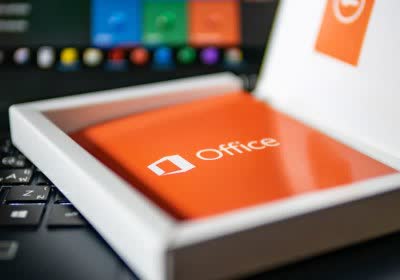
In brief: Just over one billion active devices use Windows for their operating system, according to Microsoft. That sounds like an impressive statistic, but the company isn't as quick to point out that three years ago, the figure stood at 1.4 billion, meaning 400 million devices are no longer running the OS.
Frame rate improvements were quite drastic for games like Returnal
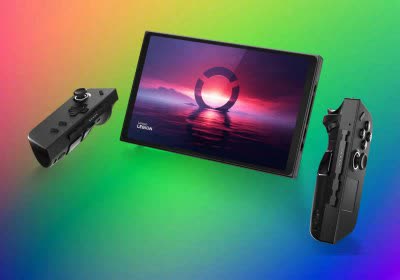
That's called progress: SteamOS started life as a lightweight Linux-based system built for Valve's Steam Machines that never really picked up steam (pun intended). Now, it powers the Steam Deck and various other handhelds. New benchmarks show that the gaming OS outperforms Windows 11 on similar hardware.
Dave Cutler, lead architect of the Windows NT kernel, was also there
What just happened? Given that there was a time when Microsoft called Linux a "cancer," it's little surprise that the Redmond firm's co-founder and long-time boss Bill Gates had never met Linus Torvalds, creator of the Linux kernel. But that changed recently when the two attended a dinner, and it appears to have gone well.
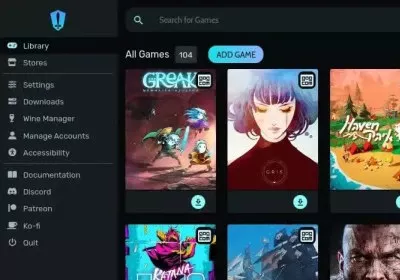
Heroic is a free, open-source game launcher that allows you to play games from the Epic Store and GOG on Linux, Windows, and macOS – without needing the official launchers. It includes a built-in version of Wine to run Windows games on non-Windows systems.
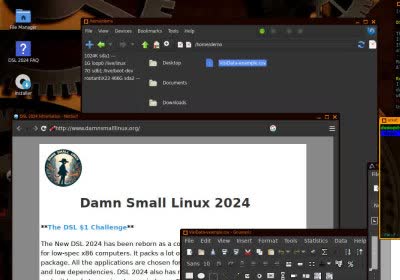
DSL 2024 is a revived version of the lightweight Linux distribution, designed for older, low-spec x86 PCs. Returning after a 12-year hiatus, it's now based on antiX and Debian, featuring lightweight apps like Firefox-ESR, AbiWord, and Gnumeric.