Nvidia joins the battle of making the CPU interesting again
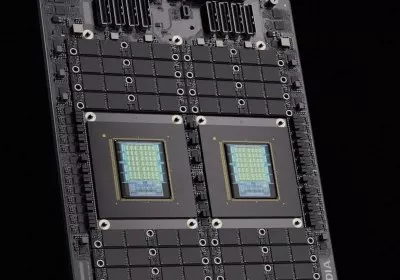
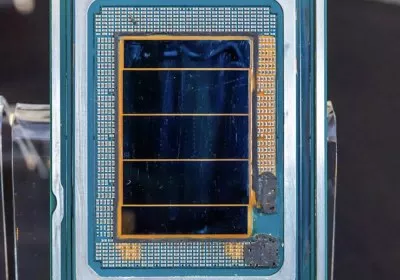
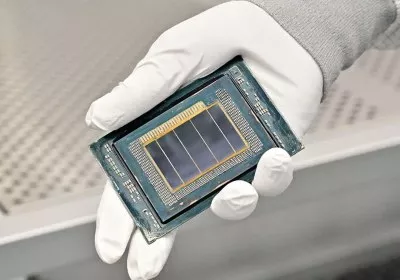
The big picture: Nvidia lifted the embargo on its Vera CPU deep dive this week, and the disclosure amounts to a direct challenge to two decades of x86 datacenter design philosophy. This is the most detail the company has shared on the chip since it first appeared on the Rubin roadmap, and it confirms something I have suspected for a while: Nvidia is not treating the CPU as an attach story anymore. It is treating it as a battleground with a lot of potential dollars at play.
It also provides a glimpse of the architecture that will power future Ryzen chips
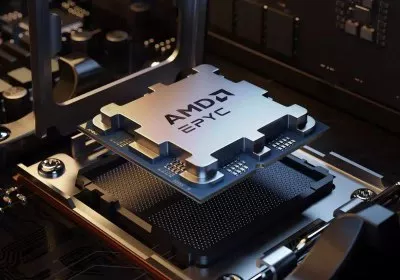
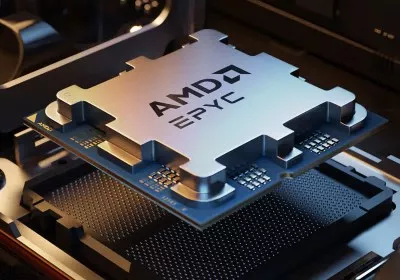
First look: AMD will give its first public look at Epyc Venice CPUs this month, showcasing the new Zen 6 architecture at the Advancing AI 2026 summit in San Francisco on July 22. The demonstration will highlight performance for AI workloads, with AMD claiming a major speed increase over current Epyc chips.
Old smartphones are piling up as e-waste, but wait... 25 phones can match a single server CPU
Forward-looking: Researchers at the University of California San Diego are testing whether retired smartphones can still do useful work instead of ending up as electronic waste. Working with Google, the team is trying to turn retired Pixel smartphones into a low-cost data center. The goal is to keep working hardware in use instead of throwing it out after a few upgrade cycles.
The MMO's 24th anniversary includes an unlimited free trial and hints of future expansion content
Ripple effect: Final Fantasy XI is having an unlikely moment. The 24-year-old MMO is not just hanging on to a loyal niche, it is sustaining growth. Pushing up against technical limits dating back to the PlayStation 2 era, now Square Enix is looking for ways to open up new parts of its world to a much larger audience.
AI workloads are competing with games for the same cloud infrastructure
Facepalm: Multiplayer servers for the real-time strategy game Stormgate will go offline at the end of the month after the infrastructure provider that hosts them was acquired by an AI company and began winding down its gaming services. The shutdown shows how AI infrastructure expansion is now affecting not just PC hardware supply, but also the backend services that many modern games rely on.
In a nutshell: The ongoing AI boom has already inflated the cost of memory, storage, and processors, with effects spilling over to electronics incorporating those components. The impact of AI data center expansion is not expected to subside anytime soon, and to make matters worse, the conflict between the US and Iran threatens to worsen supply chain disruptions while creating new ones.
Ripple effect: Ongoing AI datacenter construction has created shortages of DRAM and NAND that manufacturers say will impact prices for years, but memory isn't the only component that datacenters require. Recent reports indicate that manufacturers are also facing shortages of CPUs that might further increase prices.