Any lingering hope for affordable gaming GPUs just took another hit
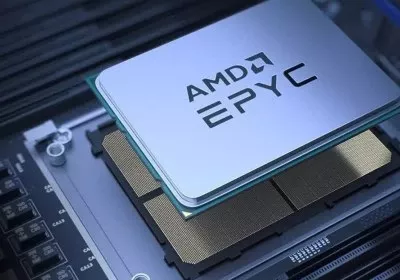
Editor's take: AMD and Meta have joined the growing circus of reciprocal dealsBig Tech is using to bootstrap what it hopes will become a self-sustaining "AI economy." Under a new multi-year agreement, the two companies will closely align their technology roadmaps – though AMD's role comes with strings attached, including hitting specific performance targets in the stock market.
WTF?! It seems OpenAI CEO Sam Altman has grown tired of defending AI's consumption of our planet's rapidly depleting natural resources. In a recent interview, he said water-usage concerns over data centers were "fake," before highlighting the shocking amount of energy it takes to "train a human."
Some customers have already bought up capacity through 2028
In context: Western Digital is one of the few remaining hard disk drive manufacturers in the world. According to its latest earnings call, the company now does most of its business with AI data center providers – and they are purchasing as many HDDs as possible, years ahead of schedule.
Ripple effect: While critics and PC enthusiasts are cheering for the AI bubble to burst, Big Tech and enterprise ventures cannot buy AI accelerators fast enough. In fact, even one of the world's most important chip manufacturers is now facing significant issues with its ability to meet customer demand.
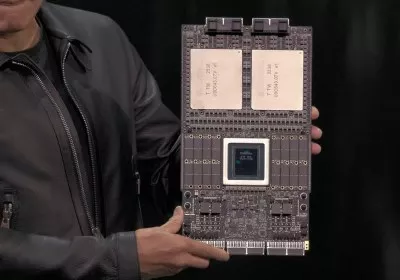
The six-chip Vera Rubin system claims up to 5× training compute and a 10× reduction in inference costs.
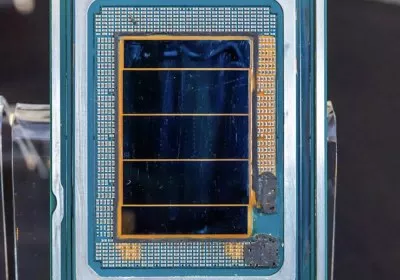
Looking ahead: Nvidia kicked off the year with an unusual move: unveiling its next-generation AI computing architecture months ahead of schedule. At CES 2026 in Las Vegas, CEO Jensen Huang used his keynote to introduce the company's Vera Rubin server systems – a clear signal that Nvidia intends to press its advantage as demand for ever-larger AI models accelerates.