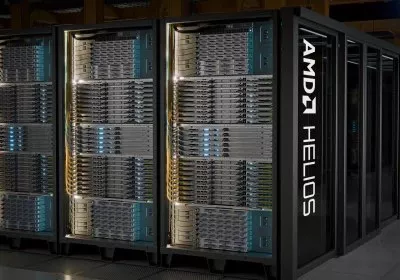
AMD also unveiled the CDNA 5-based Instinct MI455X AI accelerator
The big picture: AMD had a busy week, announcing the Ryzen 7 7700X3D CPU for gaming PCs and the Epyc Venice lineup for agentic AI workloads in data centers and high-end workstations. The company also launched the Helios rack-scale AI system at its Advancing AI 2026 event in San Francisco and previewed its next-generation Zen 7 and Zen 8 CPU architectures.
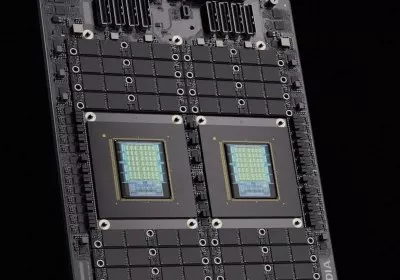
Nvidia joins the battle of making the CPU interesting again
The big picture: Nvidia lifted the embargo on its Vera CPU deep dive this week, and the disclosure amounts to a direct challenge to two decades of x86 datacenter design philosophy. This is the most detail the company has shared on the chip since it first appeared on the Rubin roadmap, and it confirms something I have suspected for a while: Nvidia is not treating the CPU as an attach story anymore. It is treating it as a battleground with a lot of potential dollars at play.
Cutting corners: Faced with rising memory costs, Meta says it is reusing old DDR4 RAM in its servers rather than buying new hardware. The company revealed this week that it is repurposing DDR4 memory from decommissioned servers into its new DDR5-only machines, using a custom CXL ASIC that avoids the compatibility issues and major latency penalties that typically come with mixing memory generations. The design reportedly cuts AI inference server count by up to 25% and reduces job-restart and fragmentation overhead by 33%.
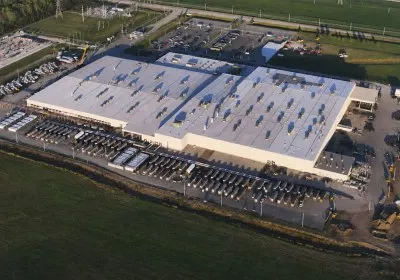
Illinois cops just recovered $2.3 million worth of AI data center equipment
Ripple effect: The AI boom may be hurting consumers, white-collar workers, and rural residents living near data centers, but it's opened up "new opportunities" for cargo thieves. Criminals are reportedly cashing in on the data center construction boom by stealing millions of dollars' worth of server hardware, cables, and other high-value tech equipment.
Old smartphones are piling up as e-waste, but wait... 25 phones can match a single server CPU
Forward-looking: Researchers at the University of California San Diego are testing whether retired smartphones can still do useful work instead of ending up as electronic waste. Working with Google, the team is trying to turn retired Pixel smartphones into a low-cost data center. The goal is to keep working hardware in use instead of throwing it out after a few upgrade cycles.
OpenAI starts losing money on ChatGPT Plus once usage tops 11%, Anthropic's Claude is no different
Bottom line: The math behind AI subscriptions is starting to look uncomfortable. Flat monthly pricing helped fuel the rapid adoption of tools like ChatGPT and Claude, but new analysis suggests those fees may not come close to covering the actual cost of heavy use. As users push these systems harder and more demanding AI workflows take hold, the gap between revenue and compute costs is becoming difficult to ignore.