Steam saw 18,626 new games in 2024 – nearly double 2020's total
The takeaway: New technology and democratized development tools have supercharged the way games are created and sold. The result? An explosion of creativity like never before. But there's a catch: a marketplace so overcrowded that even the best games struggle to be seen. For players, this is a golden era. For developers and publishers, it's an escalating arms race where only a few titles manage to break through.
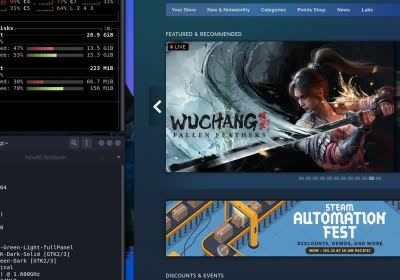
In a nutshell: The September 9 Steam client update is one of the largest in recent memory. It introduces dozens of bug fixes and several new features meant to improve the user interface, controller inputs, and performance monitoring. One notable addition is CPU temperature monitoring – but enabling it requires users to decide whether they trust Valve with access to the Windows kernel.
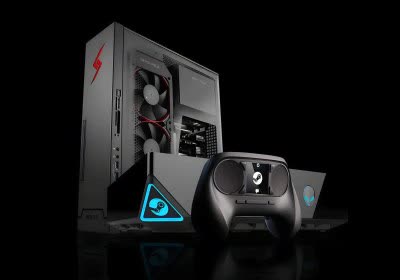
Highly anticipated: Valve's long-rumored return to the living room is starting to look real. A new Steam Machine – like device, codenamed Fremont, has surfaced on Geekbench, hinting at a serious play for the console space. Powered by a custom AMD APU with six Zen 4 cores and a Radeon RX 7600 GPU, it suggests Valve may not just be experimenting this time, but it may be gearing up to compete head-on with traditional consoles.
What just happened? Here's a clear indication that the supply and pricing problems which have plagued Nvidia's RTX 5000 series are easing: the cards experienced a large uptick in user share in the latest Steam survey. However, there's still no sign of AMD's 9000-series in the main GPU chart, where the RX 7600 XT has only just appeared. Elsewhere, we've got a new most-popular card among participants, and AMD processors have passed a milestone.
Farming sim maintains near-perfect rating from almost 1 million reviews
Why it matters: As a foundational title in the "cozy game" subgenre, Stardew Valley has remained one of the most successful indie games for much of the past decade. With Steam player counts higher than ever over the past year, Eric Barone's pixel art farming simulator now also holds the highest user rating on the platform.
The new performance monitor (detailed here) adds detailed metrics that allows gamers to distinguish between generated frames from DLSS or FSR and the actual game frame rate. CPU, GPU, and memory usage are available as well.