Transportation is now a tech-driven industry. Exploring automotive technology, from electric vehicles and self-driving tech to infotainment systems shaping the future of mobility.
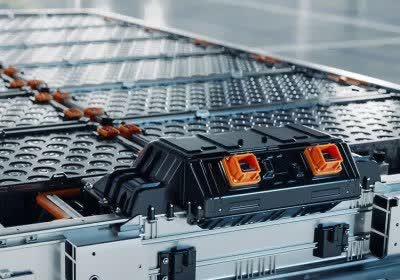
Batteries were the selling point – now they're the liability
In context: Industry analysts expect 2026 to mark a year of recalibration for the electric vehicle market as both supply and demand adjust. For now, however, it remains in flux – its promise of cleaner transportation tempered by the hard economics of depreciation.
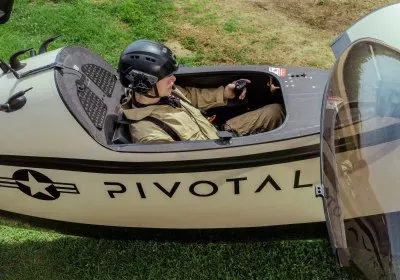
Software and electric power redefine what a flying car can be
Bottom line: For now, eVTOLs remain niche products – technological curiosities that combine drone automation, recreational aviation, and the promise of personal air mobility. Their development illustrates how digital flight control has simplified piloting, while underscoring how far regulations must evolve before such aircraft can become a practical alternative to driving.
WTF?! What do you do if your electric vehicle company is under constant scrutiny from regulators over its safety record and dealing with multiple wrongful death lawsuits? If you're Tesla, it's to bring back "Mad Max" mode for the Full Self Driving System that breaks speed limits and adds more frequent lane changes.
Musk aimed for 250,000 Cybertrucks a year by 2025 – reality is closer to 20,000
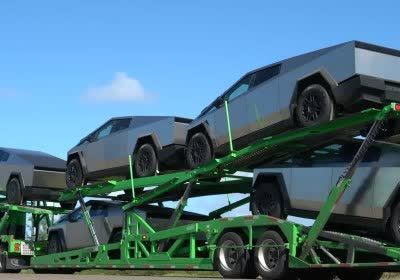
Facepalm: Elon Musk appears to be improving Cybertruck sales figures by selling large numbers to his own companies. Truckloads of the eight-times-recalled electric pickups have been arriving at SpaceX and xAI, boosting sales of a vehicle that sold just over 5,000 units in Q3 2025.
The expiration of the $7,500 EV tax credit helped spark record sales that reshaped September's pricing landscape
Bottom line: Five years ago, the average new vehicle cost roughly $40,000. The current average of over $50,000 illustrates the rapid escalation of prices and the transformation of what constitutes a "typical" new car purchase in the US. For many Americans, the new car market has shifted decisively toward affluent buyers and technologically advanced vehicles, with economic pressures and regulatory changes redefining both supply and demand.
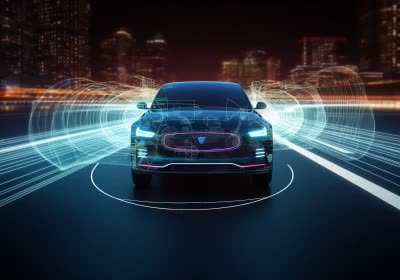
Big quote: Shanghai-based Hesai Technology is the world's leading supplier of lidar sensors – a critical component that helps autonomous vehicles "see" their surroundings. CEO David Li recently warned that the road to fully self-driving cars will be far slower than many in the industry expect, citing significant societal and regulatory hurdles. He noted that public tolerance for fatal accidents involving self-driving cars remains near zero, far lower than the acceptance of traffic deaths caused by human drivers.