Computer graphics articles

thief alan wake game engine computer graphics photorealism game design with video

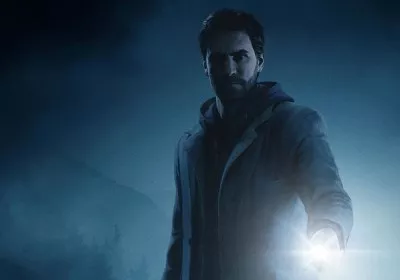
Thief designer says the graphics arms race should have stopped at Alan Wake... in 2010

Did game graphics really peak with Remedy's atmospheric thriller?
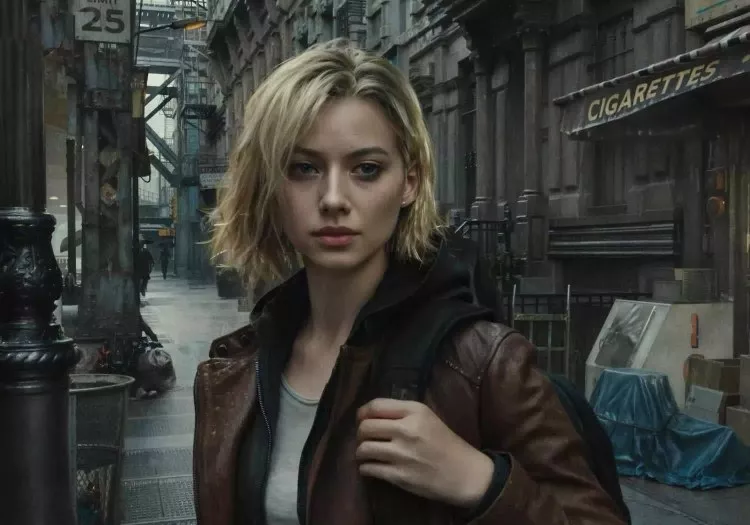
Graphics Matter: One of the original designers of Thief has some rather peculiar ideas about graphics in games. Randy Smith thinks the industry should have stopped advancing graphics around 2010 rather than spending massive amounts of money to relentlessly push photorealism in major AAA projects.
nvidia dlss youtuber with video nvidia dlss hallucinations computer graphics ai

Nvidia "confirms" DLSS 5 relies on 2D frame data as testing reveals hallucinations

Developers at Capcom and Ubisoft found out about DLSS 5 when everyone else did
Connecting the dots: Early reactions to Nvidia's DLSS 5 were swift and skeptical, with some observers likening the technology to an Instagram-style filter applied over gameplay footage. Nvidia CEO Jensen Huang refuted the allegations, but subsequent clarifications have helped outline how the system actually works – and where it can fall short.
dlss nvidia geforce gpu opinion futurology upscaling computer graphics nvidia dlss with video

I saw DLSS 5 running across multiple games. It's not a face filter.

Ryan Shrout shares hands-on impressions of DLSS 5 as the internet debates Nvidia's AI graphics overhaul
Sounding off: I went hands-on with Nvidia's DLSS 5 across multiple games at GTC and the "it's just a face filter" isn't the right take. The improvements to shadows, water, foliage, clothing, and even a coffee maker in Starfield are just as impressive as the character enhancements. Here are my full impressions including some details on the dual-GPU demo setup and the developer control story that I think matters quite a bit.
nvidia dlss nvidia upscaling computer graphics photorealism generative ai uncanny valley

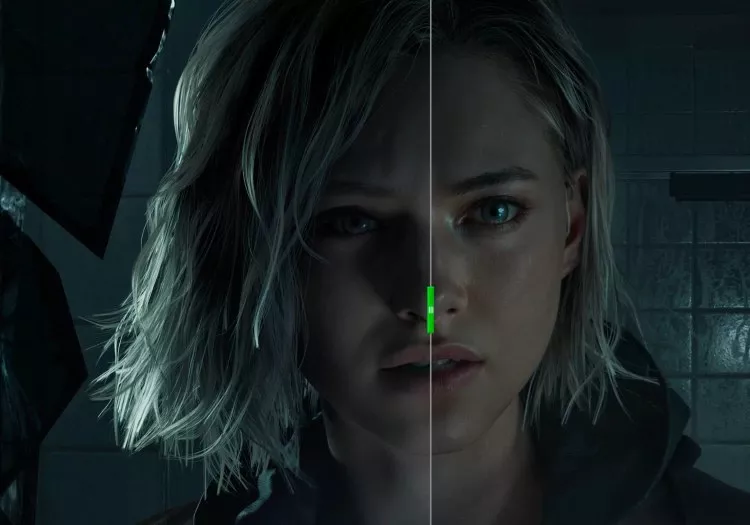
Nvidia DLSS 5 first look: generative AI lighting radically transforms game visuals

"Photorealistic" AI lighting sparks immediate controversy
First look: Nvidia CEO Jensen Huang used his GTC 2026 keynote to unveil the next stage of machine learning-driven video game graphics, which substantially transforms lighting and the overall visuals of a game using generative AI. Although the company's demonstration showcased dramatic increases in detail in titles such as Resident Evil Requiem and Starfield, it immediately drew sharp reactions from users, many of whom compared the results to AI-generated video footage.
nvidia vera rubin gpu performance jensen huang nvidia logo

Nvidia GDC 2026 roundup: More path-traced games, DLSS 4.5 debut titles, and RTX mega foliage

Path tracing comes to 007 First Light, Control Resonant, Quake III... and Mirror's Edge
In brief: Nvidia is using this year's Game Developers Conference to outline the full launch of DLSS 4.5, add five upcoming games to its list of titles supporting path tracing, and offer an early glimpse at RTX Mega Geometry foliage. The company also provided an update on RTX Remix, highlighting this week's launch of a path-traced version of Quake III Arena.
arm neural super sampling upscaling machine learning

Extreme upscaling: What happens when DLSS turns 38x22 pixels into 4K?

Pushing DLSS 4.5 to absurd extremes reveals how it rebuilds images
The big picture: Nvidia DLSS has been a divisive feature since its introduction almost exactly seven years ago. While some users accuse developers of relying too heavily on upscaling to maintain high frame rates, others praise its ability to reconstruct clear images from fewer pixels. Pushing the latest implementation to its limits helps reveal how it pulls off this feat.