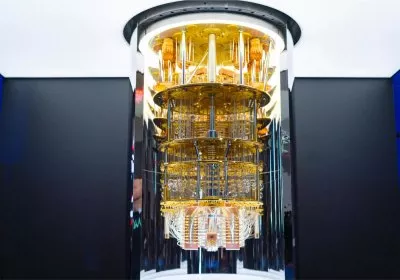
Why it matters: One of the greatest risks of quantum computing is its potential to break many of the cryptographic protocols that keeps the internet safe today. Thankfully, quantum is still fairly distant from being that great a risk – at this stage, it can't break internet encryption. But Google isn't exactly waiting around for that to happen. On Friday, the company announced that Chrome is rolling out a new type of web certificate that's essentially designed to be quantum-proof from the ground up.
Chrome has received a trio of new productivity upgrades on the desktop. The browser's new built-in split view lets you run two tabs side by side without juggling windows, while its PDF viewer can now handle highlights, notes, and even signatures. There's also a new 'Save to Google Drive' option that sends docs to the cloud into a dedicated folder.
Google has pushed an emergency update for Chrome to close a high-severity zero-day vulnerability that's already being exploited in the wild. The flaw stems from a use-after-free bug in Chrome's CSS font handling and can lead to crashes, rendering issues, or worse.
PowerFox is one of the few actively maintained browsers still supporting macOS 10.5 Leopard and 10.6 Snow Leopard. Built for both PowerPC and early Intel Macs, it delivers features long thought impossible on these systems, including TLS 1.3 support, up-to-date certificate handling, and regular security fixes.
Opera One R3 is a major update that adds more customization options to Tab Islands for improved tab management, a faster and more context-aware AI built-in, plus a more versatile sidebar with Google services and expanded split-screen layouts.
Chrome 144 includes 10 security fixes ranging from low- to high-priority issues. New features include highlighted find-in-page search text via a new pseudo-element, improved location permission handling through the Geolocation API, and expanded support for the modern Temporal date and time API.
The DuckDuckGo Browser blocks many third-party trackers, avoids creating personal browsing profiles, and includes simple privacy tools such as a one-tap option to clear browsing data, offering a browser alternative for users seeking a more private experience without additional configuration.
Norton's Neo is a new browser that adds the usual AI features like page summarization and other quick queries, plus it includes the company's security tools such as tracking protection, phishing defenses, and ad blocking. Neo joins a growing category of AI browsers alongside options like OpenAI Atlas and Perplexity Comet.
Samsung has released a desktop beta of its Internet browser for Windows, now available to download and try. Built on Chromium, it features cross-device syncing, enhanced privacy with anti-tracking tools, and a "Browsing Assist" AI that can summarize pages and translate text in real time.