Comet combines traditional web browsing with an AI assistant in the sidebar. Built on Chromium, it supports familiar extensions and introduces features such as instant page summarization, contextual answers, task automation, and smart tab management. Comet is now free for everyone to use.
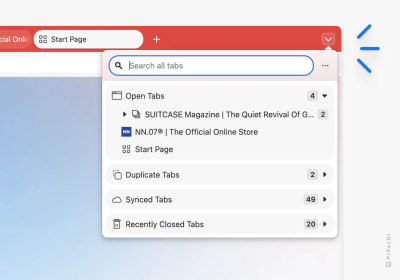
Vivaldi 7.6 debuts a new Tab Button that serves as a central hub to search, switch, and recover tabs, while also grouping duplicates for easy cleanup. The update refines context menus, adds swipe gestures on Windows, and speeds up switching to hibernated tabs.
Choosing power users and curiosity over hype and AI slop
Editor's take: Browser vendors are rushing to pack more AI features into their products, even though many users strongly dislike the trend. For those web "purists," it might be time to take a second look at Vivaldi. The Norwegian company has decided to take a completely different approach in this AI-saturated tech landscape we're currently navigating.
Uses AI to compare tabs, summarize pages, and book tasks
What just happened? Microsoft is taking a bigger swing at everyday AI integration with the launch of Copilot Mode in its Edge browser. Now available on Windows and Mac, the update marks a significant step in Microsoft's push to embed AI directly into the browsing experience, making tasks like research, comparison shopping, and online navigation faster (to be seen), and voice-enabled.
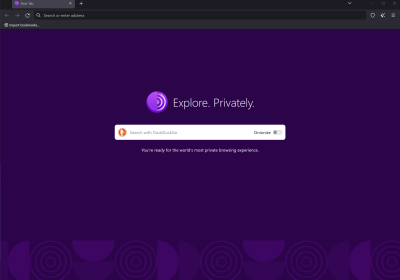
Tor Browser, based on Firefox ESR, uses a global network of relays to anonymize your browsing and protect your IP address. It includes a variety of privacy tools and differs from a VPN by routing traffic through multiple encrypted relays rather than masking it with a single server.
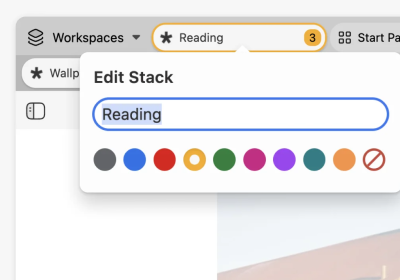
Vivaldi is a dream browser for those who want total control. Version 7.5 debuts with several privacy enhancements, it introduces color-coded Tab Stacks for grouped tabs and adds support for DNS over HTTPS (DoH), providing extra security to protect your browsing activity. Check out more in our essential apps feature.