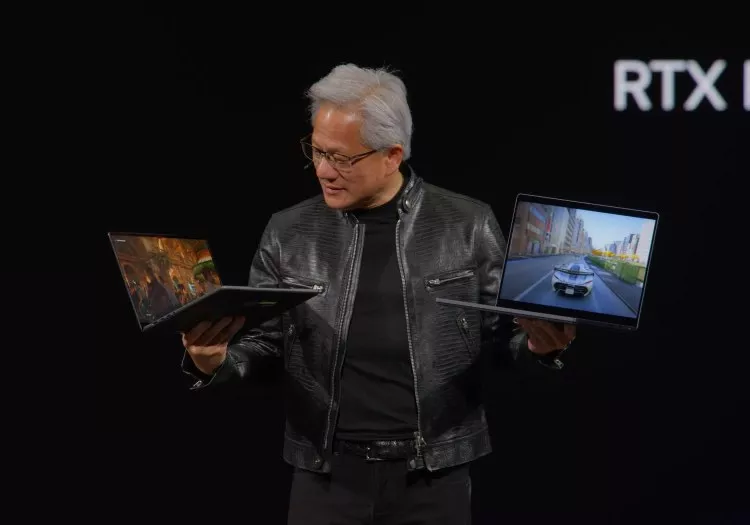
Nvidia wants to make your Windows PC an agentic and creator powerhouse
Why it matters: Nvidia just announced what it calls the most efficient PC chip ever built. RTX Spark is a Grace Blackwell system on a chip, 70 billion transistors on TSMC 3nm, with a Blackwell RTX GPU, a 20-core Arm CPU built with MediaTek, and up to 128GB of unified memory. It is purpose-built for agents, and it runs full RTX gaming and creation on the same thin-and-light laptop. It is a genuinely impressive piece of silicon.
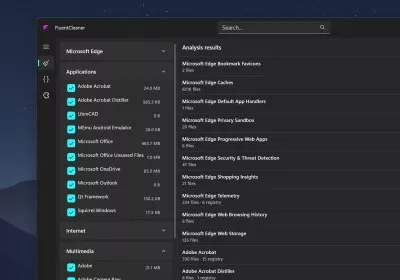
Inspired by the early days of CCleaner, FluentCleaner is a cleanup utility that focuses on removing temporary files, browser cache, logs, and leftover clutter without aggressive registry cleaning or scareware tactics. The app also supports community-maintained cleaning databases and optional extensions.
Winhanced gives Windows gaming PCs a cleaner, more console-like experience by combining launchers, controller navigation, and system tools into one streamlined interface. Originally built for handhelds, it's also gaining traction on desktop and living room setups as an alternative to juggling Steam Big Picture, Xbox, and multiple launchers.
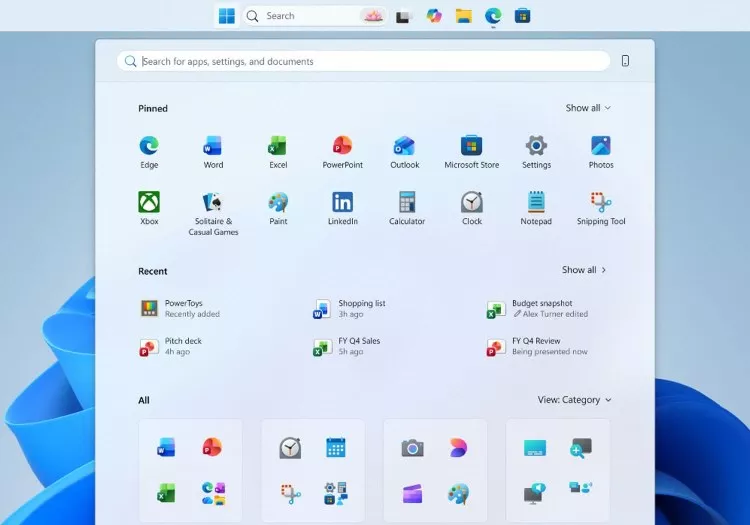
Low Latency Profile early numbers are promising: 40% faster app launches, 70% snappier menus
Cutting corners: Microsoft has a giant Windows problem, but developers are reportedly hard at work to significantly improve the operating system in critical areas, tackling things like overall responsiveness and CPU utilization. New details have emerged about one of those changes.
The latest PowerToys update brings new tools like Power Display for multi-monitor brightness control and Grab and Move for simpler window handling, along with refinements to modules like Command Palette and Keyboard Manager.
Editor's take: As Microsoft builds Copilot AI deeper into Windows, the move is rekindling debate over how much control any one company should exercise over the computing environment that so many people rely on. For Mozilla, that question has become a renewed challenge to Microsoft's dominance over the desktop and its implications for competition.
The big picture: European governments have long sought to reduce their dependency on non-European (i.e., American) software. While individual municipalities and government sectors have recently begun switching to homegrown options, France's latest announcement signals a broader shift away from tools such as Windows, Microsoft Office, Zoom, and Google Docs.